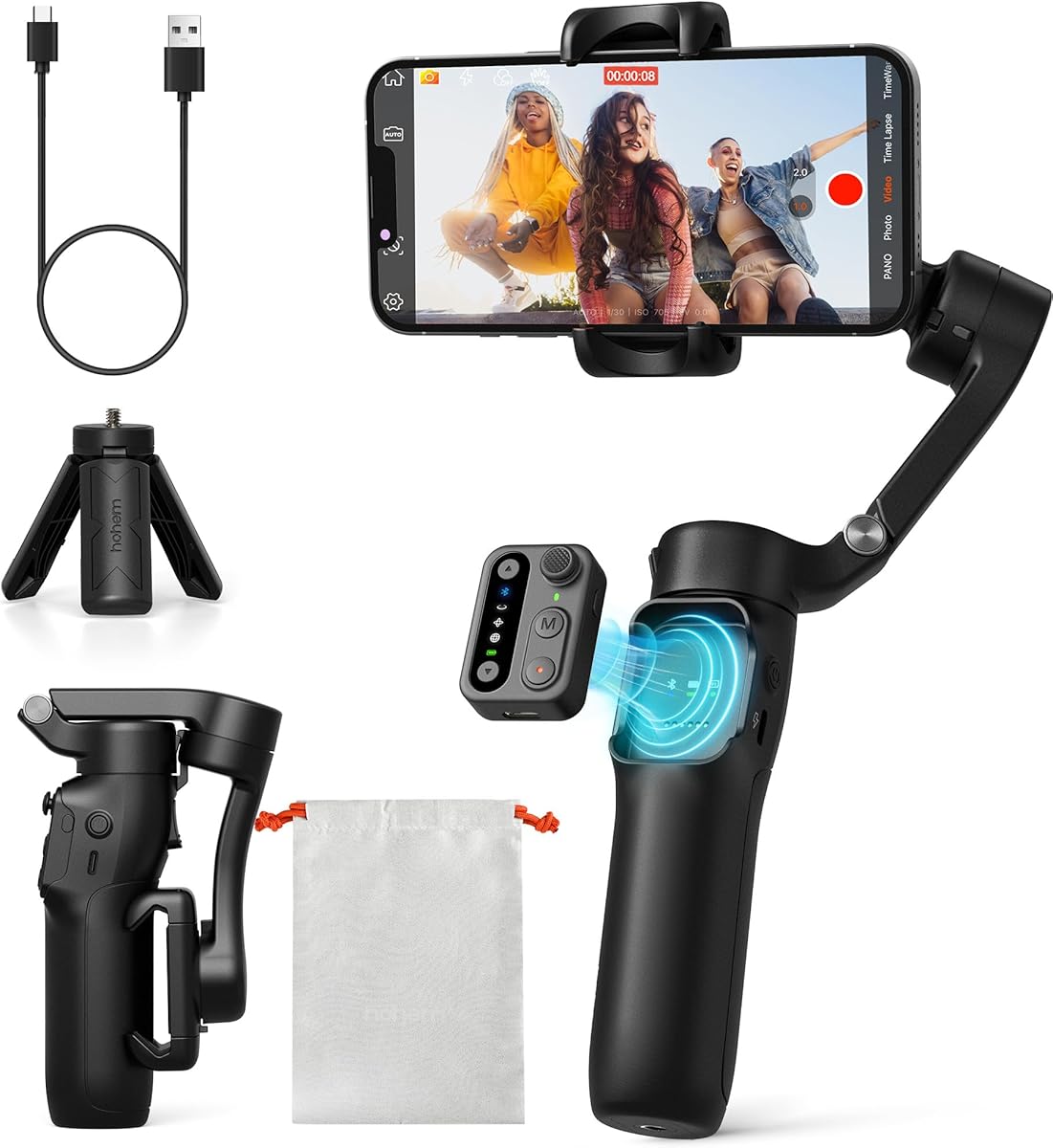
hohem iSteady X3 SE
4.2Editor score
Detachable magnetic remote
Portable foldable design
Eleven hour battery life
Choosing the right gimbal for mountaineering requires balancing durability with weight. These tools help you capture smooth footage while navigating steep terrain and unpredictable weather conditions.
We compared ten top models based on stabilization quality, battery life, and portability. Our analysis focuses on features that matter most for outdoor adventurers seeking reliable camera support.
Each pick highlights unique strengths for different shooting needs. Note that product availability and pricing change frequently so check current listings before making your final purchase decision today.
4.2Editor score

4.3Editor score

4.5Editor score
As an Amazon Associate we earn from qualifying purchases.
This side-by-side comparison highlights the key specifications and capabilities of each model to help you find the ideal stabilization solution for your specific mountaineering adventures and filming needs.


The DJI Osmo Mobile 8 stands out as the top choice for mountaineers who demand high-quality stabilization without compromising on features. With a strong rating of 4.4 stars users appreciate its ability to deliver smooth footage even on uneven paths.
We may earn a commission when you buy through this link, at no additional cost to you.
Its standout qualities include robust 3-axis stabilization that keeps your shots steady during climbs or descents. The built-in tripod allows for quick setup without extra gear making it ideal for capturing group shots or scenic views independently.
While the price is higher than entry-level options the battery life and feature set justify the investment. You may encounter app compatibility issues on certain Android devices which requires downloading updates from the DJI website directly.
This gimbal is best for serious outdoor content creators who prioritize video quality and versatility. Its combination of tracking audio reception and lighting makes it a comprehensive tool for storytelling in the wild.
Advanced tracking ensures subjects stay in focus even when moving quickly through varied landscapes.
Integrated features like audio and lighting reduce the need to carry additional accessories on long trips.
We may earn a commission when you buy through this link, at no additional cost to you.
The DJI Osmo Mobile 7 offers an excellent balance of portability and performance which is crucial for mountaineering. It weighs just 300 grams ensuring it does not add significant burden to your backpack during long ascents.
We may earn a commission when you buy through this link, at no additional cost to you.
Key strengths include its anti-slip handle that remains comfortable even when wearing gloves. The ActiveTrack 7.0 technology keeps subjects steady whether you are filming teammates or wildlife in motion.
Trade-offs involve slightly fewer features compared to the Mobile 8 and similar app compatibility constraints. However for basic stabilization needs it delivers reliable results without unnecessary complexity or weight.
Choose this if you value minimal weight and straightforward operation. It is perfect for hikers who want smooth video without sacrificing pack space or endurance.
Designed for extended use the grip reduces hand fatigue during multi-day filming sessions.
Dual-lens tracking ensures accurate subject focus even in dynamic outdoor environments.
We may earn a commission when you buy through this link, at no additional cost to you.
The Hohem iSteady Pro 4 is a standout budget option for mountaineers using action cameras. With a rating of 4.1 it delivers solid stabilization at a price point accessible to more adventurers.
We may earn a commission when you buy through this link, at no additional cost to you.
Its IPX4 splashproof rating means you can use it confidently in rain or snow without fear of damage. The Bluetooth connection allows direct shutter control reducing the need to touch the camera body.
While it lacks some premium features the battery life is exceptional for all-day use. Compatibility limitations mean you should check your specific camera model before purchasing to ensure full functionality.
This gimbal is ideal for those seeking value without sacrificing essential performance. It ensures your adventure footage remains steady and professional regardless of weather conditions.
Splashproof design protects against water exposure during unpredictable mountain weather.
Fourteen hour runtime ensures you never miss a shot due to power loss.
We may earn a commission when you buy through this link, at no additional cost to you.
This variant of the iSteady Pro 4 adds practical features like a quick release clip and power bank capability. With a rating of 4.2 it offers slightly more user control for mounting and detachment.
We may earn a commission when you buy through this link, at no additional cost to you.
The quick release allows you to swap cameras quickly without rebalancing saving precious time on the trail. Power bank functionality ensures your action camera stays charged during long expeditions.
While performance is similar to the standard model the added convenience makes it a better fit for dynamic filming. However always verify camera compatibility to avoid connectivity issues.
Opt for this if you need frequent camera swaps or extended power. It provides a reliable foundation for capturing high-quality motion footage outdoors.
Fast mounting mechanisms reduce downtime between capturing different scenes.
Built-in power bank support keeps your camera running when outlets are unavailable.
We may earn a commission when you buy through this link, at no additional cost to you.
The hohem iSteady X3 SE is an excellent entry-level option for smartphone users on a budget. Rated at 4.2 it provides solid stabilization without requiring advanced technical skills.
We may earn a commission when you buy through this link, at no additional cost to you.
Its detachable magnetic remote allows you to control shots from a distance which is useful for solo hiking videos. The foldable design ensures it fits easily in a jacket pocket or backpack.
Trade-offs include lower payload capacity for larger phones and slightly shorter battery life compared to premium units. Still for casual recording it offers exceptional value for its cost.
Choose this if you want to start creating stable content without a large investment. It simplifies the process of capturing dynamic mountain views.
Beginner-friendly interface reduces setup time and learning curve for new users.
Wireless remote enables hands-free operation for creative angles and self-shots.
We may earn a commission when you buy through this link, at no additional cost to you.
The DJI Osmo Mobile 7P stands out with a rating of 4.5 for its advanced tracking and modular capabilities. It offers native tracking with audio and lighting features ideal for high-quality social content.
We may earn a commission when you buy through this link, at no additional cost to you.
Its multifunctional module pairs seamlessly with the gimbal allowing you to capture audio directly. The magnetic clamp and extension rod make setup fast and flexible for various shot types.
While performance is top-tier the reliance on external modules can add complexity. You may need to download the app manually which can be a hurdle for some users.
This gimbal is best for creators prioritizing audio and tracking precision. It ensures your mountaineering vlogs are professional and engaging from start to finish.
Integrated mic support enhances sound clarity for storytelling in noisy environments.
Add-on modules expand capabilities without replacing the core gimbal unit.
We may earn a commission when you buy through this link, at no additional cost to you.
The DJI RS 3 Mini is the top choice for professionals using mirrorless cameras during mountaineering. With a 4.3 rating it balances portability with heavy-duty performance.
We may earn a commission when you buy through this link, at no additional cost to you.
Weighing only 795 grams it is easy to hold for long periods without fatigue. Its 2 kg payload capacity supports a wide range of camera and lens combinations including zoom lenses.
Trade-offs involve app dependency for activation and a higher entry price. However for serious filmmakers the ability to carry a full camera system smoothly is worth the investment.
Choose this for demanding shoots where quality and durability matter. It ensures your footage remains stable even during extreme physical activity.
High-torque motors handle heavier loads while maintaining smooth motion on rough trails.
Vertical shooting allows for social media ready content without extra editing.
We may earn a commission when you buy through this link, at no additional cost to you.
The DJI Osmo Pocket 3 offers an all-in-one solution with a 4.5 rating making it a favorite for travelers. It combines a camera and gimbal into one compact device.
We may earn a commission when you buy through this link, at no additional cost to you.
Its one-inch sensor delivers high-quality video even in low light conditions like sunsets. The rotating screen simplifies framing for both horizontal and vertical content creation.
While expensive it eliminates the need to balance separate cameras and gimbals. The lack of flexibility for other cameras is the main trade-off compared to dedicated stabilizers.
Pick this for seamless convenience and top image quality. It is perfect for adventurers who want simplicity without compromising on visuals.
Large sensor captures detailed footage with excellent dynamic range in outdoor lighting.
Pocket-sized design ensures it is always ready for spontaneous shots.
We may earn a commission when you buy through this link, at no additional cost to you.
The FeiyuTech SCORP Mini-3-Pro boasts an exceptional 4.9 rating making it a top pick for versatility. It handles smartphones and mirrorless cameras alike without requiring extra mounts.
We may earn a commission when you buy through this link, at no additional cost to you.
AI tracking works without an app saving setup time on the trail. The detachable remote provides flexibility for framing shots from a distance ensuring hands-free control.
Trade-offs include a larger footprint and potential accessory needs for specific setups. However the cooling fan ensures your phone or camera stays functional during long recording sessions.
This gimbal is best for those who switch camera types often. It delivers reliable performance across different devices in challenging environments.
Built-in AI ensures smooth subject tracking without relying on external software.
Active cooling prevents overheating during extended 4K recording sessions.
We may earn a commission when you buy through this link, at no additional cost to you.
The hohem iSteady MT3 Pro is a powerhouse with a 4.5 rating offering premium features for serious shooters. Its detachable touchscreen remote provides full control without touching the camera.
We may earn a commission when you buy through this link, at no additional cost to you.
With a 2.5 kg payload it supports heavy lenses and professional cameras. The 20-hour battery life ensures you can film all day without worrying about recharging.
Trade-offs include a steep learning curve and higher cost. However for those needing maximum payload and battery endurance it is unmatched in performance.
Choose this for professional-grade stability and versatility. It is the ultimate tool for complex mountaineering shoots requiring reliable long-term operation.
Touchscreen remote allows precise framing and control from up to 33 feet away.
High-capacity battery supports continuous operation through multi-day expeditions.
We may earn a commission when you buy through this link, at no additional cost to you.
Selecting the right gimbal for mountaineering involves evaluating several critical factors to ensure your gear performs in rugged environments.
When hiking or climbing every ounce matters so look for gimbals that balance stability with low weight. Ultra-compact models around 1 pound are ideal for long treks where carrying extra load is impractical.
Prioritize lightweight designs to avoid fatigue while ensuring the motor can handle your camera gear.
Outdoor adventures often lack access to power sources so battery duration is crucial. Aim for units offering at least 10 hours of runtime to cover full days of filming without interruptions.
Consider models with power bank features to recharge your camera or phone while on the move.
Mountaineering exposes gear to rain snow and dust making water resistance vital. Look for IPX4 ratings or higher to ensure the gimbal functions reliably in harsh conditions.
Splashproof designs protect internal components and extend the life of your equipment.
Ensure the gimbal can support the weight of your camera and lens combination. Check manufacturer specifications to confirm compatibility with your specific setup before purchasing.
Adequate payload capacity prevents motor strain and ensures smooth stabilization during movement.
User-friendly interfaces and quick setup mechanisms save time in the field. Features like magnetic clamps or detachable remotes simplify operation especially when wearing gloves.
Simplified controls allow you to focus on shooting rather than adjusting settings constantly.
Verify that the gimbal supports your specific camera type whether it is a smartphone action camera or mirrorless. Some models offer versatile mounting options for multiple devices.
Check software compatibility as certain gimbals require specific apps for full functionality.
Look for advanced 3-axis stabilization algorithms that compensate for shaking and vibration. High-quality motors ensure footage remains steady even during rapid movements or uneven terrain.
Test stabilization in realistic conditions to confirm it meets your expected standards.
Evaluate the features against the cost to find a model that fits your budget. Entry-level options may lack premium features but still offer solid performance for casual use.
Invest in higher-end models if you need advanced capabilities like AI tracking or high payload support.
Always balance your camera securely before use to ensure smooth operation. Follow the manufacturer instructions for mounting and adjust the axes until the device holds its position without drifting.
Protect your gimbal from moisture and dust by storing it in a dry case when not in use. Wipe down the exterior regularly with a soft cloth to remove dirt or debris accumulated during hikes.
Keep the firmware updated via the official app to access performance improvements and new features. Regularly check battery contacts and cleaning them to maintain efficient power transfer.
Action cameras like the GoPro work well with splashproof gimbals such as the Hohem iSteady Pro 4. These models offer weather resistance and lightweight designs suited for rugged trails.
Most phone gimbals cannot support the weight of mirrorless cameras. Look for dedicated camera gimbals like the DJI RS 3 Mini that provide higher payload capacity for heavier gear.
Adjust the camera position on each axis until it remains level without tilting or rolling. Secure all locks once balanced to prevent movement during recording.
Many gimbals offer splash resistance like IPX4 ratings but are not fully waterproof. Use protective covers or cases if you expect heavy rain or deep snow exposure.
Some models like the hohem iSteady MT3 Pro offer up to 20 hours of battery life. This ensures all-day filming during long mountaineering expeditions.
Most modern gimbals require an app for advanced features like tracking. Always check compatibility with your smartphone and download the latest version before heading out.
Selecting the right gimbal depends on your camera type and terrain. The DJI Osmo Mobile 8 excels for smartphones while the RS 3 Mini suits professional setups.
Prioritize battery life and weather resistance to ensure reliable performance in the wild. Lightweight designs help maintain your energy for climbing rather than carrying heavy gear.
Check current listings for the best deals and confirm compatibility before purchasing. Prices vary so comparing multiple options ensures you get the right value for your needs.