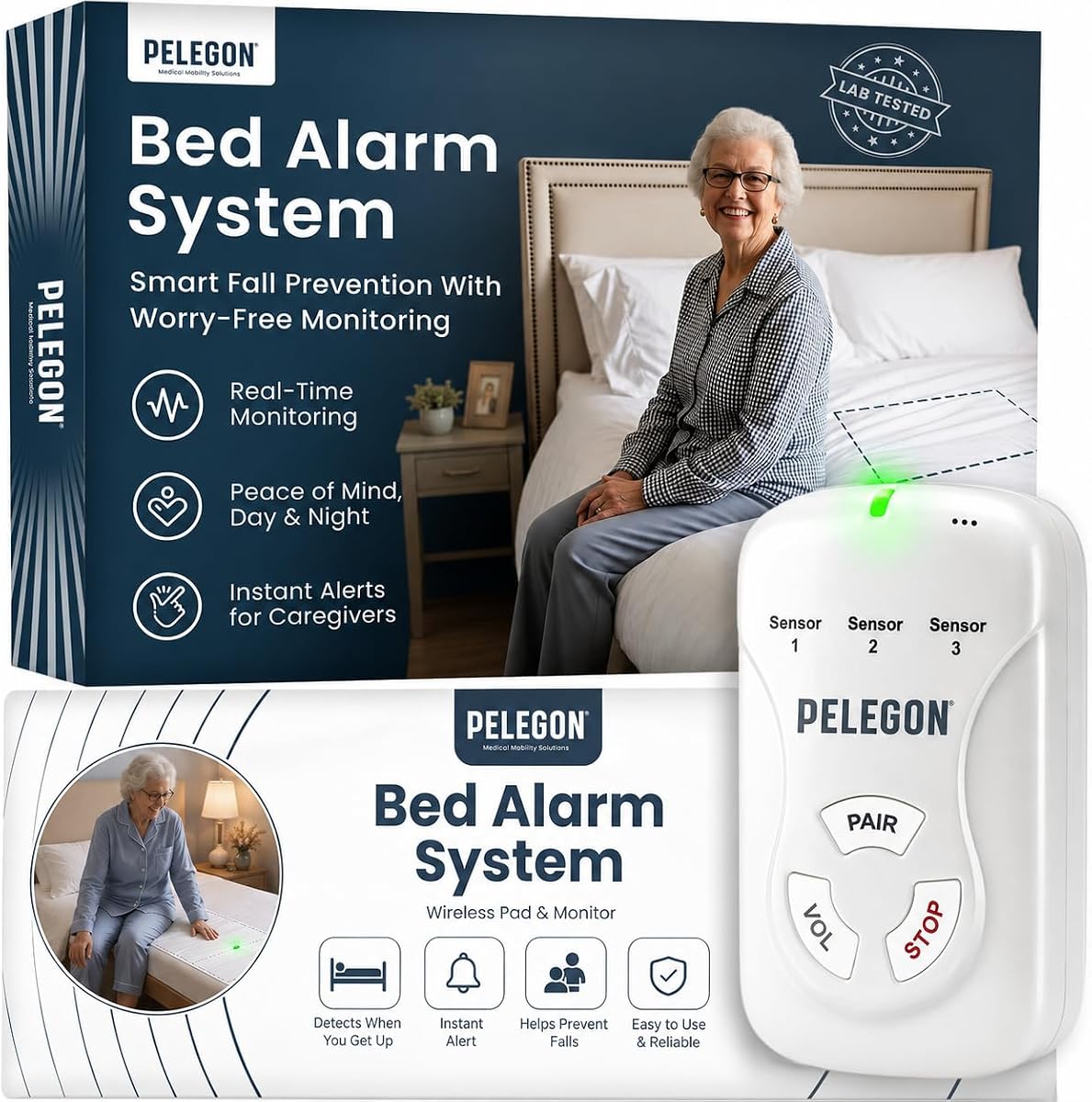
PELEGON Bed Alarms for Elderly Dementia Patients
4.7Editor score
Customizable sound or vibration
Long range coverage up to 328 ft
Tool-free sensor setup
This guide compares the top bed alarm for elderly and dementia patients to help caregivers choose the safest fall prevention system for home care.
Ensuring the safety of loved ones with dementia or mobility issues is a top priority for caregivers. Bed alarms provide a critical layer of protection by alerting you when a senior attempts to rise unassisted.
We evaluated ten leading models based on sensor accuracy, range, ease of use, and alert customization. Each product was analyzed for its ability to reduce fall risks without disturbing sleep or dignity.
Our detailed reviews highlight the strengths and limitations of each system. Prices and availability may change, so please verify current details on the product pages before making a purchase decision.
4.7Editor score
4.8Editor score

4.5Editor score
The following table provides a side-by-side overview of the top ten systems. Compare key specifications to find the best fit for your specific caregiving needs and environment.



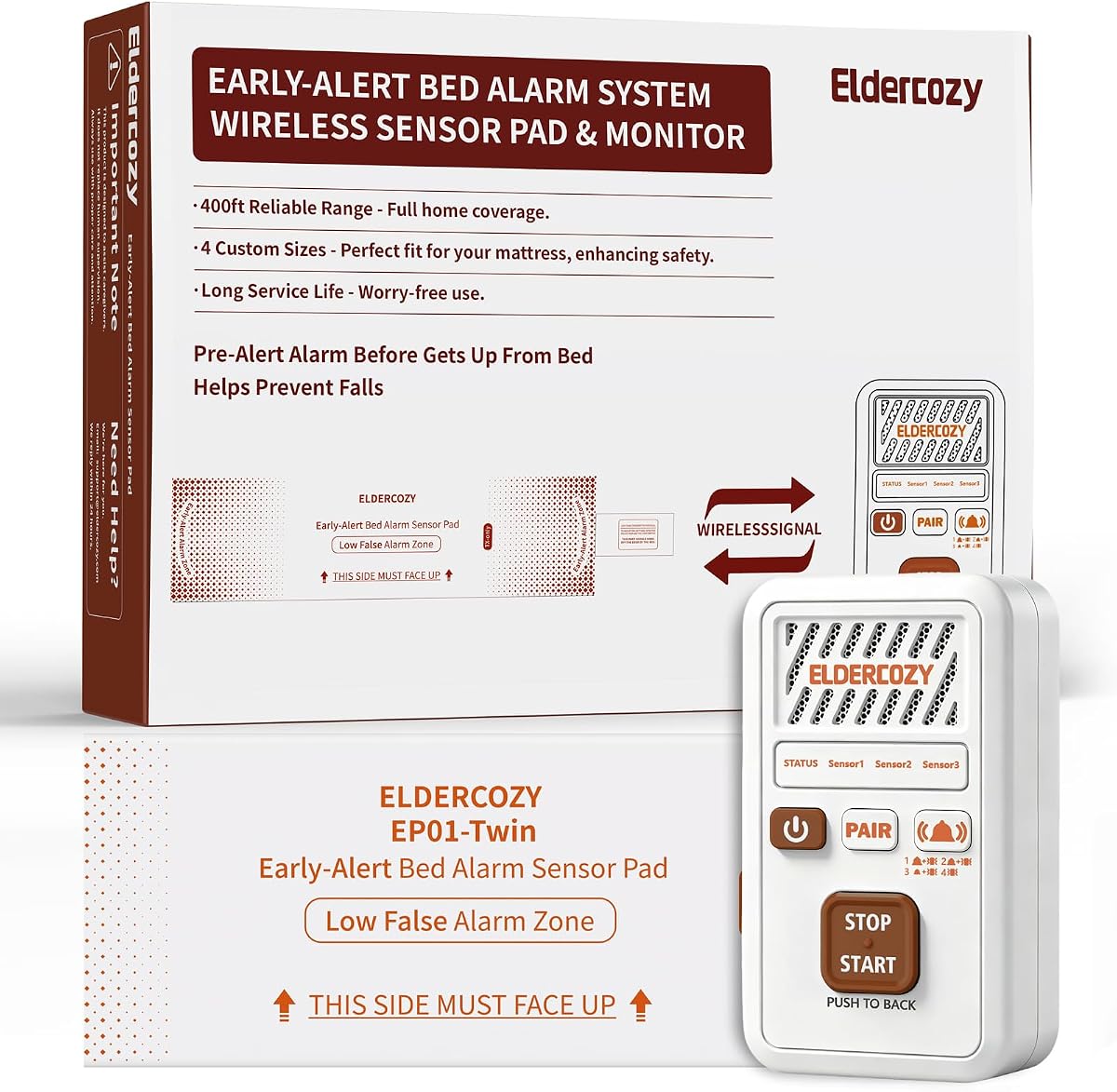
This early alert system stands out with its high 4.8 rating. It combines a comfortable TPU pad with a pager that alerts when you sit on the edge.
We may earn a commission when you buy through this link, at no additional cost to you.
Its hip-level detection prevents false alarms from tossing while alerting before a full stand. The waterproof pad is easy to clean and durable.
The higher cost reflects better materials and battery life compared to cheaper alternatives. It is designed for long-term reliability.
Families needing reliable and quiet monitoring will find this system worth the investment for safety and peace of mind.
The TPU composite ensures the pad does not make noise when the patient moves, preserving sleep quality.
Alerting when a patient sits on the edge gives caregivers a crucial few seconds to assist before a fall.
We may earn a commission when you buy through this link, at no additional cost to you.
This system is designed specifically for dementia care and falls with a 4.7 rating. It offers a long-range wireless pager and customizable alert modes.
We may earn a commission when you buy through this link, at no additional cost to you.
The tool-free setup makes it accessible for non-technical caregivers. The pager works up to 328 feet, allowing flexibility in room layout.
It may cost more than basic models, but the range and customization justify the expense. It is built for consistent daily use.
Families looking for a robust and flexible solution for dementia care should consider this top-rated option.
The 328-foot range allows caregivers to be in another room while still receiving immediate alerts.
Adjusting volume or choosing vibration helps avoid startling the patient or disturbing others in the home.
We may earn a commission when you buy through this link, at no additional cost to you.
This affordable option delivers solid value with a 4.5 rating. It uses a motion sensor placed on the floor to detect when feet touch the ground.
We may earn a commission when you buy through this link, at no additional cost to you.
The 918-foot range is excellent for large homes. It also offers five volume levels to ensure the alert is heard clearly.
Placement of the floor sensor requires care to avoid false alarms. The dual power options add convenience for long-term use.
Those seeking a cost-effective solution for fall prevention will find this system a reliable and practical choice.
With a 918-foot range in open areas, caregivers have ample freedom to move around the property.
The ability to use either batteries or a micro USB cable ensures the system can always stay powered.
We may earn a commission when you buy through this link, at no additional cost to you.
This model is a straightforward choice with a 4.2 rating. It uses a simple pressure pad that alerts when the patient leaves the bed.
We may earn a commission when you buy through this link, at no additional cost to you.
The vinyl pad is sealed for incontinence protection and easy to clean. It mounts easily on a wall or bedside table.
It lacks some advanced features like wireless pagers, but it covers basic needs well. The silence button is helpful at night.
Caregivers needing a simple and reliable wired system will find this a practical and durable solution.
The sealed vinyl pad resists moisture and is easy to wipe down for hygiene.
Status lights ensure you are notified when batteries are running low to avoid unexpected shutdowns.
We may earn a commission when you buy through this link, at no additional cost to you.
This system is known for its comfort and early detection with a high 4.8 rating. The TPU pad is quiet and comfortable for daily use.
We may earn a commission when you buy through this link, at no additional cost to you.
The hip-level alert triggers when the patient sits on the edge, allowing for earlier intervention. The 400-foot range is strong.
Cost is a consideration, but the comfort and reliability are significant benefits. It supports patient dignity and independence.
This is an excellent choice for families prioritizing patient comfort alongside effective safety monitoring.
The soft TPU composite feels better than traditional PVC materials, making it less intrusive at night.
Detecting movement at the hip level provides a timely alert before the patient is fully standing.
We may earn a commission when you buy through this link, at no additional cost to you.
This system offers solid performance with a 4.5 rating. The motion sensor is versatile for monitoring the bed or doorway.
We may earn a commission when you buy through this link, at no additional cost to you.
It provides five volume levels and LED lights for clear alerts. The USB power option adds convenience for continuous use.
The sensor placement may require adjustment to reduce false triggers. However, it is a strong option for budget-conscious caregivers.
Users seeking a versatile and affordable system will appreciate its functionality and long range.
The motion sensor can be placed on the floor or door to suit your specific monitoring needs.
LED lights accompany the sound, ensuring the alarm is noticed even if noise levels are high.
We may earn a commission when you buy through this link, at no additional cost to you.
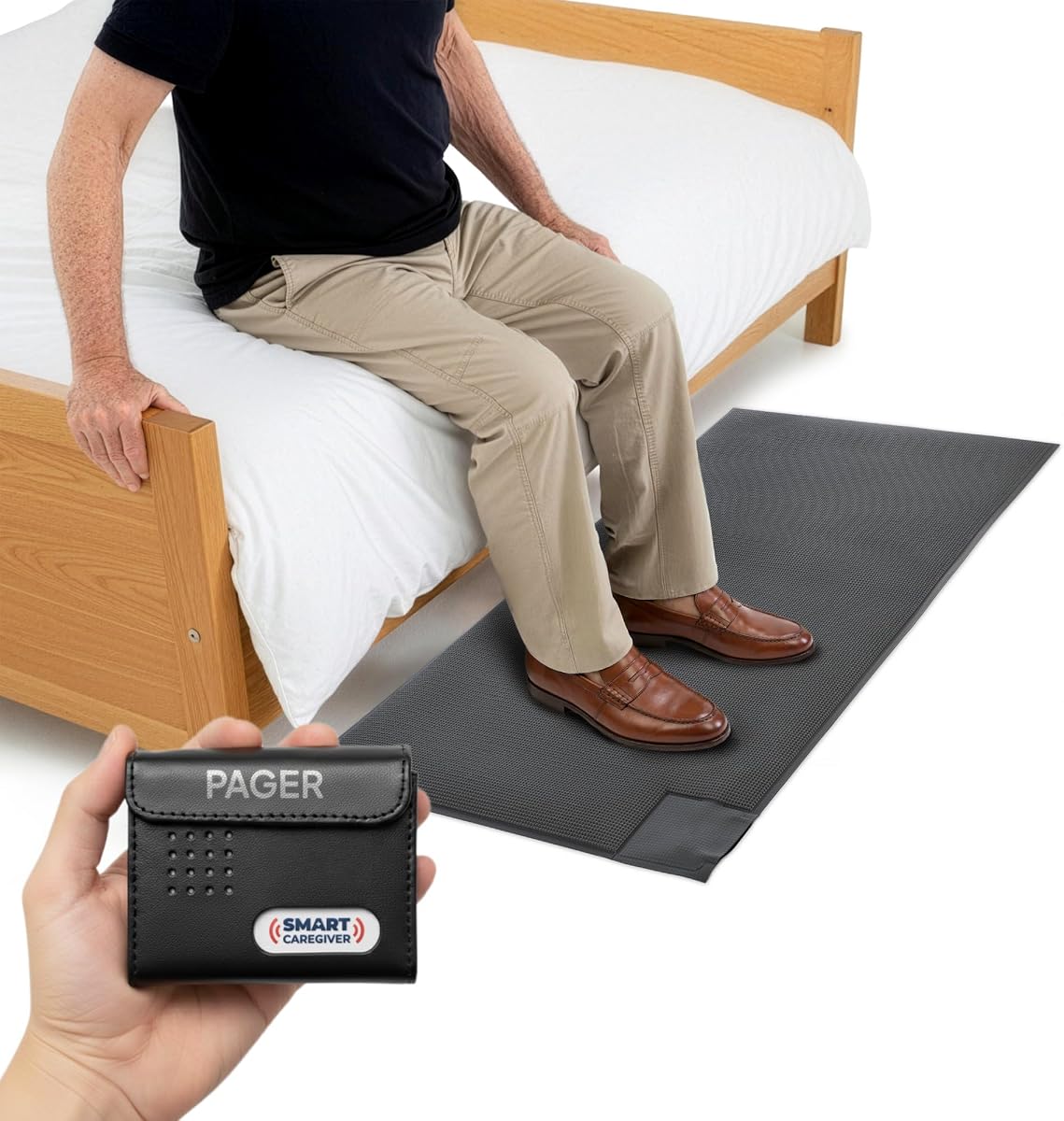
This floor mat system is a reliable choice with a 4.6 rating. It alerts when a patient steps onto the mat, not just when they rise.
We may earn a commission when you buy through this link, at no additional cost to you.
The large 24×48 inch mat is durable and easy to place. It includes a pager that works up to 300 feet away.
The cost is higher than basic models, but the coverage is comprehensive. It is ideal for monitoring wandering or falls.
Families needing wide coverage and a pager system will find this mat practical and effective.
The large mat ensures you are alerted if the patient steps anywhere near the bed or exit.
The wireless pager lets you attend to other tasks while staying informed of patient movement.
We may earn a commission when you buy through this link, at no additional cost to you.
This model offers an expandable system with a 4.4 rating. It uses a full-coverage pad to reduce false alarms and alert accurately.
We may earn a commission when you buy through this link, at no additional cost to you.
The system can support up to six sensors for comprehensive monitoring of chairs and doorways. It includes a pager with sound and vibration.
The price is moderate, but the expandability adds significant value. It is backed by US-based customer support.
Caregivers looking to monitor multiple areas will appreciate the flexibility and reliability of this system.
You can add more sensors later to monitor chairs or doorways, adapting to your needs.
The full-coverage sensor reduces false alarms compared to standard shoulder pads.
We may earn a commission when you buy through this link, at no additional cost to you.
This system is known for its flexibility and silent alert options. It has a 4.1 rating and includes a portable pager with vibration.
We may earn a commission when you buy through this link, at no additional cost to you.
The sensor can rotate 360 degrees to adjust sensitivity. The Type-C charging makes it easy to power the pager.
It is less expensive than some models but offers good customization. The silent mode is useful for shared rooms.
This system is a good option for users who need portable and silent alert features.
The Type-C charging port allows you to power the pager anywhere without needing batteries.
Vibration alerts help you monitor without disturbing a sleeping partner or the patient.
We may earn a commission when you buy through this link, at no additional cost to you.
This system offers practical features with a 4.5 rating. It provides a long 918-foot range for flexible placement in the home.
We may earn a commission when you buy through this link, at no additional cost to you.
It includes four alert modes and a high-volume option. The USB power ensures it stays powered continuously.
It is straightforward to set up and use. The range and power options make it reliable for daily monitoring.
Caregivers who need a practical system with strong range will find this model suitable and effective.
The 113dB alarm ensures that alerts are heard clearly even in noisy environments.
Using USB power means the system does not depend solely on batteries for operation.
We may earn a commission when you buy through this link, at no additional cost to you.
This system is versatile with both bed and chair pads. It has a 4.2 rating and is designed to alert when a patient leaves a seat.
We may earn a commission when you buy through this link, at no additional cost to you.
The phone-style clip makes it easy to switch monitors between chair and bed. The pads are sealed for incontinence protection.
It is an affordable way to monitor both sitting and sleeping areas. The volume control is basic but functional.
Caregivers needing dual monitoring for chairs and beds will find this system practical and effective.
Including both a bed and chair pad allows you to monitor multiple high-risk areas with one system.
The vinyl pads are sealed and easy to clean, ensuring longevity in a caregiving environment.
We may earn a commission when you buy through this link, at no additional cost to you.
This system offers a budget-friendly option with a 3.7 rating. It uses a latex-free pad to detect pressure and movement.
We may earn a commission when you buy through this link, at no additional cost to you.
The 300-foot range allows caregivers to move freely. The pager is portable and customizable for sound or vibration.
Sensitivity may vary depending on patient weight and movement. It is best for light and basic monitoring needs.
For those on a tight budget, this system provides essential features for fall prevention at home.
The latex-free materials make the pad safe for users with latex sensitivities.
The water-resistant material allows for easy cleaning and durability over time.
We may earn a commission when you buy through this link, at no additional cost to you.
Choosing the right alarm involves assessing your needs. This guide outlines the factors to help you decide.
Most systems use a pressure-sensitive bed pad that detects when weight is removed. This is standard for monitoring bed exits. Motion or floor mats may also be used to detect when a patient steps down or exits a chair. Pads are more comfortable and less intrusive, while floor mats are good for detecting wandering behavior.
Consider how far the pager needs to reach. Most systems offer between 100 to 900 feet of range. If you work in another part of the house, choose a model with a longer range to ensure you receive the signal.
Look for options like sound, vibration, or visual alerts. Vibration is useful if you are in a noisy environment or want to avoid waking others. Some models allow you to adjust volume levels to suit day or night needs.
Long battery life is essential for reliability. Check if the system uses AA, AAA, or rechargeable batteries. Replaceable batteries are often more convenient than proprietary ones for long-term use.
Since the pad stays under the sheets, it should be comfortable for the patient. Soft materials like TPU are less noticeable than rigid PVC. Waterproof and incontinence protection is also important for hygiene.
Look for tool-free setup if possible. Some systems just require placing the pad under the mattress. The monitor should be easy to clip to a headboard or place on a bedside table.
If you plan to monitor multiple areas like chairs or doorways, choose a system that supports multiple sensors. This allows you to build a network as your needs grow.
A good customer support team is valuable for technical issues. Check if the company offers a warranty and has positive reviews for service. This can save time if the device needs repair.
Start by placing the sensor pad under the fitted sheet on the bed. Align it according to the manufacturer's instructions, usually near the shoulder or hip area.
Plug the monitor into a nearby power source or insert the required batteries. Test the system by simulating movement to ensure the alert sounds correctly.
Clean the pad regularly with a damp cloth to maintain hygiene. Check battery levels periodically and replace them before they run low to ensure continuous protection.
Most systems are designed to avoid startling the patient. The alarm sounds on the caregiver's pager, not in the room. Some models also have a caregiver mode to pause alerts temporarily while assisting the patient.
Yes, many systems can be used for chairs. Some models include both bed and chair pads. Always check the product specifications to confirm if the pad is suitable for chair monitoring.
Most alarms have low battery indicators to warn you before they shut down. It is important to replace batteries regularly. Some models also offer USB power options for continuous use.
Many bed pads are waterproof or water-resistant. They are designed to handle incontinence. Always check the product details for specific material features to ensure durability.
No, most wired or wireless systems do not require a subscription. They work independently once powered. Always confirm the product features to ensure there are no ongoing fees.
The range varies by model. Some offer 300 feet while others go up to 900 feet. If you need to monitor from another room, choose a model with a long range.
We reviewed ten options ranging from basic models to advanced early alert systems. Each has unique strengths for different caregiving environments.
Prioritize features like range, alert modes, and comfort when making your choice. Your decision should fit your specific home layout.
Always check current availability and details before purchasing. Safety and peace of mind are worth the investment for your loved ones.