
Humminbird 710200-1 XNT 9 SI 180 T
4.6Editor score
Transom mount design
Side imaging imaging
Wide compatibility
This guide compares the top down and side imaging transducer options for 2026, helping anglers choose the best sonar unit for their specific boat and budget.
Finding the right sonar hardware is crucial for any serious angler looking to locate fish efficiently. A high-quality transducer provides clear images of the underwater environment, making it easier to identify structures and fish-holding areas with precision.
We evaluated ten leading models based on imaging clarity, compatibility, and build quality. Each product was selected for its ability to deliver reliable data across various water conditions and boat setups, ensuring you get the most value for your investment.
Our list includes detailed reviews and comparisons to help you make an informed decision. Prices and availability can change frequently, so we recommend checking the latest offers before purchasing to ensure you secure the best deal for your needs.
4.6Editor score

5.0Editor score

4.6Editor score
This side-by-side comparison highlights the key specifications of each transducer to help you quickly identify the model that fits your specific fishing needs and vessel setup.


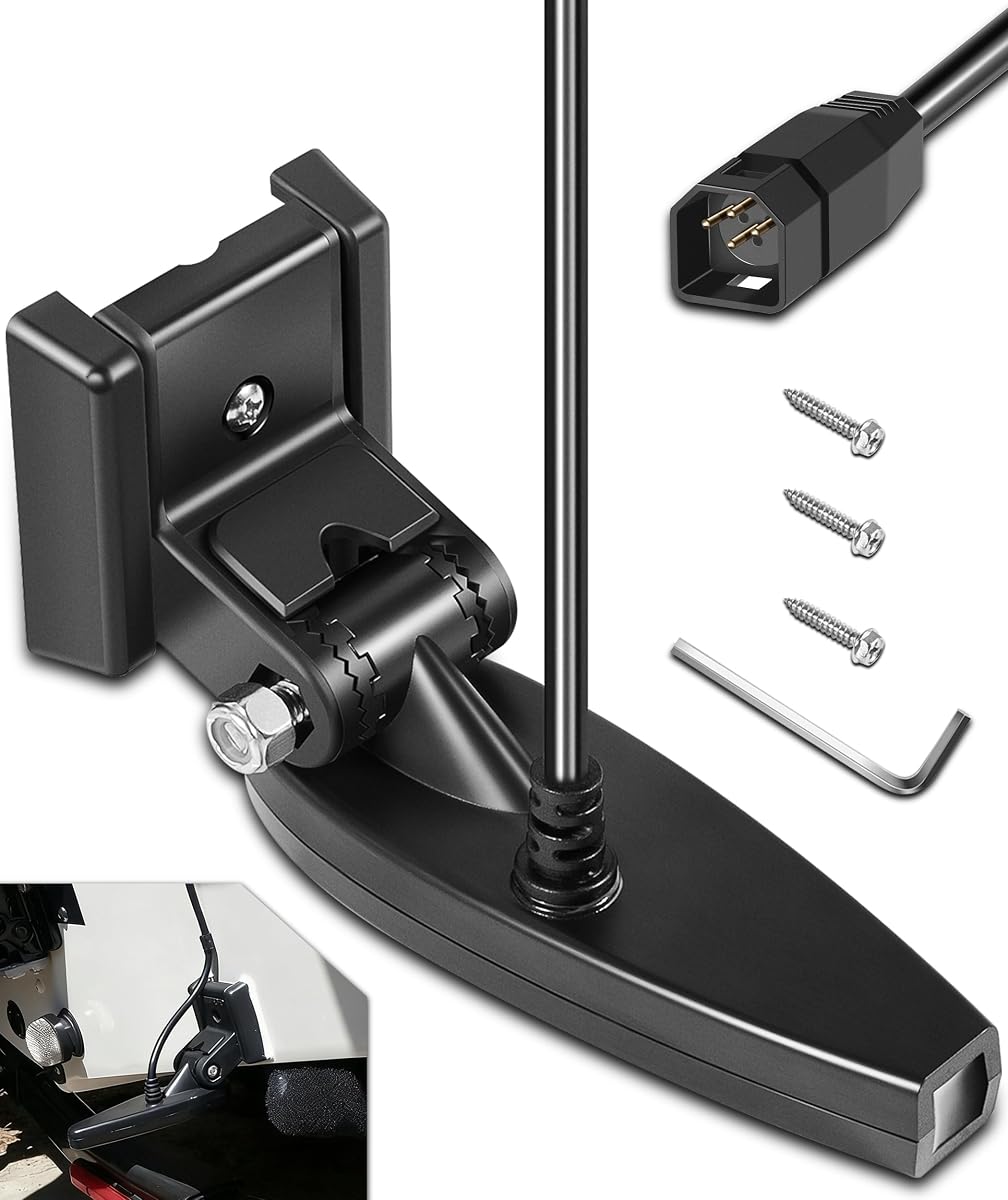

This transducer stands out as a top choice due to its exceptional imaging quality and broad compatibility with Humminbird models. It delivers crystal-clear views that help anglers identify structure and fish with remarkable precision.
We may earn a commission when you buy through this link, at no additional cost to you.
The dual frequencies of 455 kHz and 1.1 MHz provide superior detail and structure definition. With extensive scanning up to 400 feet, you can cover more water efficiently and locate fish-holding structures easily.
While it excels in performance, it is designed specifically for Humminbird units, which may limit flexibility for multi-brand setups. The price is also on the higher side, reflecting its advanced features and build quality.
Anglers looking for reliable performance and high-detail imaging will find this unit worth the investment. It is ideal for those who want clear data to enhance their fishing strategy without compromising on quality.
The MEGA Side Imaging+ technology ensures you see every detail, making it easier to spot fish hiding in structure.
With a range of up to 400 feet, you can scan large bodies of water quickly and efficiently.
We may earn a commission when you buy through this link, at no additional cost to you.
This transducer offers an advanced suite of features tailored for anglers who need precise target identification and structural detail. Its Active Imaging technology sets a high standard for clarity and range.
We may earn a commission when you buy through this link, at no additional cost to you.
The combination of CHIRP sonar, SideScan, and DownScan with FishReveal helps you distinguish fish from cover effortlessly. High-level clarity and target separation make it easier to identify fish-holding structures from a distance.
Although it is a premium product, compatibility is broad across Lowrance and Simrad units. However, you might need additional adapter cables depending on your display setup, which adds to the overall complexity.
If you prioritize detailed imaging and are willing to invest in top-tier technology, this unit delivers excellent value. It is perfect for serious anglers who demand high accuracy and performance in their sonar gear.
FishReveal technology provides a clear view of fish versus structure, reducing guesswork during your trips.
Supporting both Medium and High CHIRP frequencies ensures you can adapt to various water conditions easily.
We may earn a commission when you buy through this link, at no additional cost to you.
This transducer provides a solid balance between performance and cost, making it accessible for many anglers. It delivers clear imaging with features that cover the basics effectively without overwhelming complexity.
We may earn a commission when you buy through this link, at no additional cost to you.
The MEGA Side Imaging and Down Imaging offer a clear view up to 125 feet on each side. Combined with DualBeam PLUS sonar, you get a generous coverage area that helps in locating fish reliably.
While the range is not as extensive as top-tier models, the built-in temperature sensor and 20-foot cable make installation straightforward. It is a practical choice for those who need reliable performance without extra cost.
For casual anglers or those upgrading their setup, this unit is a smart pick. It ensures you can scan effectively and find fish without needing to invest in the most expensive hardware available.
With a pre-installed temperature sensor and 20-foot cable, setting up this transducer is a straightforward process.
Two sonar beams combine to offer detailed imaging, ensuring you do not miss key structures underwater.
We may earn a commission when you buy through this link, at no additional cost to you.
This transducer offers a budget-friendly entry point for anglers seeking reliable imaging without breaking the bank. It covers essential functions that help you locate fish efficiently in most freshwater and saltwater conditions.
We may earn a commission when you buy through this link, at no additional cost to you.
Compatible with a wide range of HELIX models, it ensures you can integrate it into your existing setup easily. The imaging is clear enough to identify structure and fish, making it a practical tool for general fishing.
While it lacks advanced features like temperature sensors or extended range, it provides solid performance for the price. It is ideal for beginners or those who need a straightforward transducer without extra complexity.
If you are looking for a dependable unit that gets the job done, this is a great choice. It allows you to access key sonar capabilities while keeping your overall setup costs manageable.
Get reliable side and down imaging without spending a fortune on premium features you might not need.
Works with various HELIX units, ensuring flexibility for users with different fish finder models.
We may earn a commission when you buy through this link, at no additional cost to you.
This fish finder provides a complete solution with built-in GPS and transducer, making it easy to set up and use. It is designed to deliver detailed imaging and mapping features in a single, cohesive package.
We may earn a commission when you buy through this link, at no additional cost to you.
The MEGA Side Imaging allows you to see structures and fish up to 125 feet on either side. With AutoChart Live, you can create custom maps of depth contours and vegetation while you boat, adding significant value.
While the cost is higher than standalone transducers, the inclusion of GPS and mapping tools makes it a versatile option. The user-friendly keypad control ensures you can navigate settings easily even in rough weather.
For those who want a ready-to-use system without assembling multiple parts, this unit is ideal. It offers strong performance and convenience for anglers who want to focus on fishing rather than setup.
Built-in navigation features help you mark waypoints and track your route accurately during your trips.
AutoChart Live lets you create real-time maps of underwater features, improving your ability to find new spots.
We may earn a commission when you buy through this link, at no additional cost to you.
This transducer is tailored specifically for the Helix 7 series, ensuring seamless integration and performance. It provides CHIRP Side Imaging and Down Imaging that deliver clean returns and detailed views.
We may earn a commission when you buy through this link, at no additional cost to you.
The Dual Spectrum CHIRP Sonar offers a frequency range of 150-220kHz, which helps in seeing fish and structure clearly. It is a strong choice for those using the Helix 7 who want reliable imaging without extra features.
Since it is designed for a specific model, compatibility is limited but optimized. The included temperature sensor and 20-foot cable make it easy to install and monitor water conditions effectively.
If you own a Helix 7 and need a dedicated transducer, this unit is a practical match. It delivers consistent imaging quality and ensures you have all the basic features required for successful fishing.
Designed specifically for Helix 7 models, ensuring a perfect fit and optimal performance for your unit.
The CHIRP technology provides clear returns, reducing noise and making it easier to spot fish.
We may earn a commission when you buy through this link, at no additional cost to you.
This transducer brings Advanced Imaging technology to your boat, offering SideScan and DownScan capabilities in one package. It helps you identify fish-holding structures with high detail and clarity.
We may earn a commission when you buy through this link, at no additional cost to you.
The support for Med and High CHIRP frequencies ensures that you get good detail and separation of targets. It is designed to work with various units, making it a flexible choice for many setups.
The 6-foot cable may require additional extension in some cases, and adapters might be needed for specific units. Despite this, the imaging quality remains high, allowing you to see underwater features clearly.
For those who want a flexible and powerful transducer without being tied to a single brand, this is a good option. It provides detailed scans that enhance your ability to find fish effectively.
Active Imaging delivers high-level clarity that helps you distinguish fish from rocks and weeds easily.
Supporting both Med and High CHIRP frequencies ensures you can adjust to different water depths.
We may earn a commission when you buy through this link, at no additional cost to you.
This kit provides necessary support and fittings for your transducer setup, ensuring stability and ease of use. It is designed to complement your sonar gear by enhancing the mounting and performance capabilities.
We may earn a commission when you buy through this link, at no additional cost to you.
While it does not provide imaging directly, it supports Side Scan and Down Scan functions through compatible transducers. This accessory helps you get the most out of your existing gear by ensuring a secure setup.
The kit is tailored for those who need to upgrade their mounting options or replace worn parts. It is a practical addition for anglers who want to maintain the integrity of their sonar system.
If you are looking to upgrade your current setup or need a reliable fitting solution, this kit is useful. It helps you keep your transducer secure and functioning optimally during your fishing trips.
The bracket and fitting kit ensure your transducer stays secure even in rough water conditions.
Compatible with Side Scan and Down Scan technologies to maximize your imaging capabilities.
We may earn a commission when you buy through this link, at no additional cost to you.
This transducer focuses on delivering high-quality Down Imaging and Dual Beam Sonar, making it ideal for precise underwater views. It allows you to distinguish fish from structure effectively, improving your catch rates.
We may earn a commission when you buy through this link, at no additional cost to you.
The DualBeam PLUS sonar combines two beams for great detail and coverage area. With impact-release installation brackets, it stays secure in rough water, ensuring you do not lose your transducer during intense fishing.
While it lacks side imaging, its strength lies in the depth and clarity of the scans below your boat. The temperature sensor and 20-foot cable add convenience to the setup process for most boats.
For anglers who prioritize depth and clarity in their scans, this unit is a strong option. It provides reliable data that helps you target fish and structures with greater accuracy and confidence.
Helps you easily distinguish between fish and structure, reducing false readings and guesswork.
Impact-release brackets ensure stability and protection for your transducer even in challenging conditions.
We may earn a commission when you buy through this link, at no additional cost to you.
This transducer offers a straightforward solution for anglers with legacy models who need reliable imaging. It provides Down Imaging and DualBeam PLUS sonar that deliver clear views of what is happening below your boat.
We may earn a commission when you buy through this link, at no additional cost to you.
The transom mount design ensures stability, while the built-in temperature sensor adds value to your setup. It works with various select HELIX and legacy models, making it accessible for many users.
While it may not have the newest features, it remains a dependable option for those with older units. The 20-foot cable makes installation flexible, allowing you to mount it according to your boat's needs.
If you have a legacy unit and need a reliable transducer that fits your existing setup, this is a practical choice. It provides consistent imaging that helps you fish more effectively without upgrading your entire system.
Even with older models, this transducer delivers consistent and clear imaging results for all types of fishing.
The 20-foot cable and simple design make it easy to install and use right away.
We may earn a commission when you buy through this link, at no additional cost to you.
Choosing the right transducer involves considering compatibility, imaging quality, and specific features that match your fishing needs.
Ensure the transducer is compatible with your current fish finder or GPS unit. Most brands have specific connectors and software requirements, so check your device manual to avoid setup issues.
Always verify compatibility with your specific model to ensure seamless integration and optimal performance.
Look for advanced technologies like MEGA Side Imaging, CHIRP, or Active Imaging for clearer and more detailed scans. These features help you distinguish fish from structure and identify underwater terrain effectively.
Prioritize imaging quality that matches your target species and fishing environment to maximize your success.
Consider the maximum depth and side scanning range the transducer offers. Models with longer ranges allow you to cover more water and see structures at a greater distance.
Choose a range that suits the typical depth of the waters where you fish most often.
Decide between transom mount, in-hull, or trolling motor transducers based on your boat type and preferences. Transom mounts are popular for ease of use and durability, while others may suit different hull designs.
Select an installation method that ensures stability and minimizes signal interference during operation.
Many transducers come with built-in temperature sensors or speed sensors to provide additional data. These can be valuable for understanding water conditions that affect fish behavior.
Consider if you need these extras to enhance your overall fishing experience and data collection.
Look for models made from high-quality materials that can withstand exposure to water, salt, and rough handling. A durable transducer ensures long-term reliability and reduces the need for replacements.
Invest in a sturdy build that can handle the conditions you encounter during your trips.
Check the cable length provided with the transducer to ensure it reaches your fish finder without extra extensions. Longer cables offer more flexibility for placement, while shorter ones may require adapters.
Ensure the cable is long enough to reach your display unit comfortably for a clean setup.
Set a budget that balances cost with the features you need. Higher-priced models often offer better imaging and durability, but entry-level units can still provide solid performance for casual use.
Allocate funds wisely to get the best value based on your fishing style and frequency.
Install the transducer securely on the transom to ensure optimal performance. Make sure the face of the transducer is flush with the water surface and angled correctly to avoid air bubbles.
Regularly clean the transducer face to remove dirt, algae, and debris that can interfere with signal transmission. Use a soft cloth and mild soap to maintain clear imaging and prevent damage.
Store the transducer in a dry place when not in use to protect it from weather and physical damage. Proper storage extends the lifespan of the unit and keeps it ready for your next trip.
Side imaging scans to the left and right of your boat to reveal structures and fish along the sides. Down imaging scans directly below your boat to show what is underneath. Both technologies offer different perspectives that complement each other for a complete underwater view.
No, transducers are typically brand-specific due to different connectors and protocols. Always check compatibility with your specific fish finder model to ensure it will work properly. Some manufacturers offer universal options, but they may require adapters.
The scanning depth varies by model, with some reaching up to 400 feet. Deeper waters may require higher frequencies for better resolution. Always check the specifications of the unit you are considering to ensure it meets your depth needs.
CHIRP (Compressed High Intensity Radar Pulse) uses a sweep of frequencies to improve image clarity and target separation. It helps you distinguish between fish and structure more effectively. Modern transducers often use CHIRP technology for superior performance.
Use a soft cloth and mild soap to wipe away debris and algae from the face of the transducer. Avoid abrasive cleaners or tools that could scratch the surface. Regular cleaning ensures optimal performance and longer life for your unit.
Yes, many transducers are designed for saltwater use, but they should be rinsed with fresh water after each trip. Salt and corrosion can damage components over time if not properly maintained. Always check the manufacturer's guidelines for saltwater compatibility.
A temperature sensor measures water temperature in real time, which is vital for understanding fish behavior and habitat. Fish are sensitive to temperature changes, so this data helps you find where they are likely to be. Many models include this sensor built-in.
Attach the transducer to the transom with the face angled slightly upward to avoid air bubbles. Ensure it is level and centered for even scanning. Most kits include mounting hardware and detailed instructions to guide you through the process.
Choosing the right transducer depends on your specific fishing needs and existing setup. Models like the Humminbird XM 14 HW CMSI T and Lowrance Active Imaging 3-In-1 offer top performance for serious anglers.
Prioritize compatibility and imaging quality to ensure you get clear and reliable data. A well-matched transducer will enhance your ability to locate fish and understand the underwater environment effectively.
Always check current prices and availability before purchasing to get the best deal. Technology evolves quickly, and staying informed helps you make the best investment for your fishing journey.