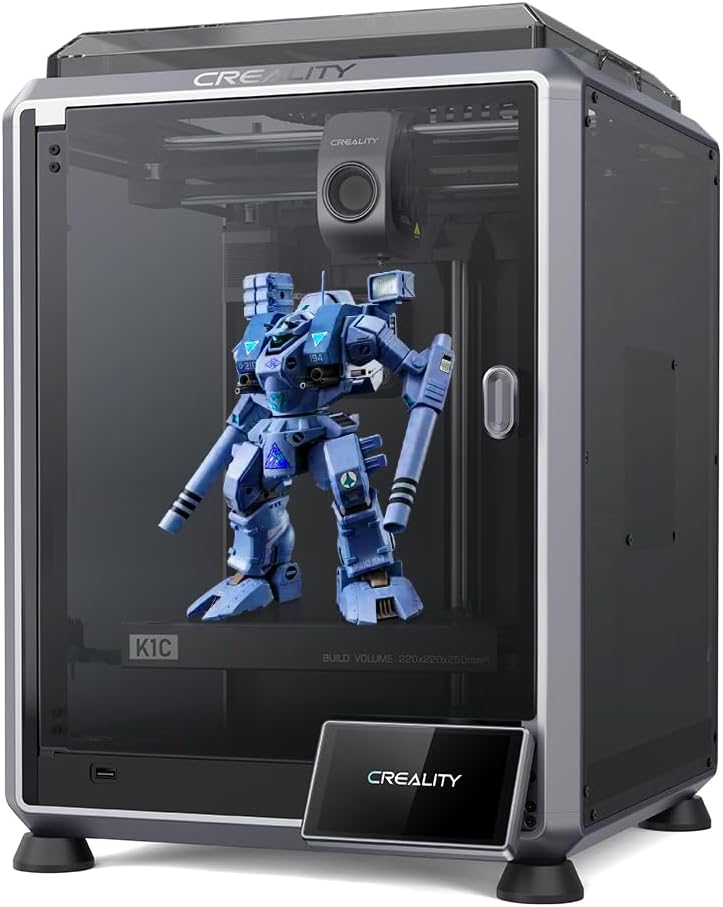
Creality K1C
4.3Editor score
Clog-free direct extruder
Supports carbon fiber filament
300°C nozzle temperature
Discover the top 3D printer for high temperature filaments compared on speed, chamber heat, and nozzle limits for engineering-grade ABS PC and carbon fiber
Selecting the right 3D printer for high temperature filaments requires attention to chamber heating, nozzle limits, and enclosure quality. These machines must handle materials like ABS, ASA, and PC without warping or clogging during complex prints.
We evaluated ten leading models based on their ability to maintain consistent heat, support abrasive filaments, and deliver reliable results. Each entry offers unique strengths for hobbyists and professionals seeking durability and precision in advanced manufacturing.
This guide highlights key features, real-world performance, and practical considerations for each pick. Note that prices and availability fluctuate frequently, so verify current offers before committing to a purchase decision.
4.3Editor score
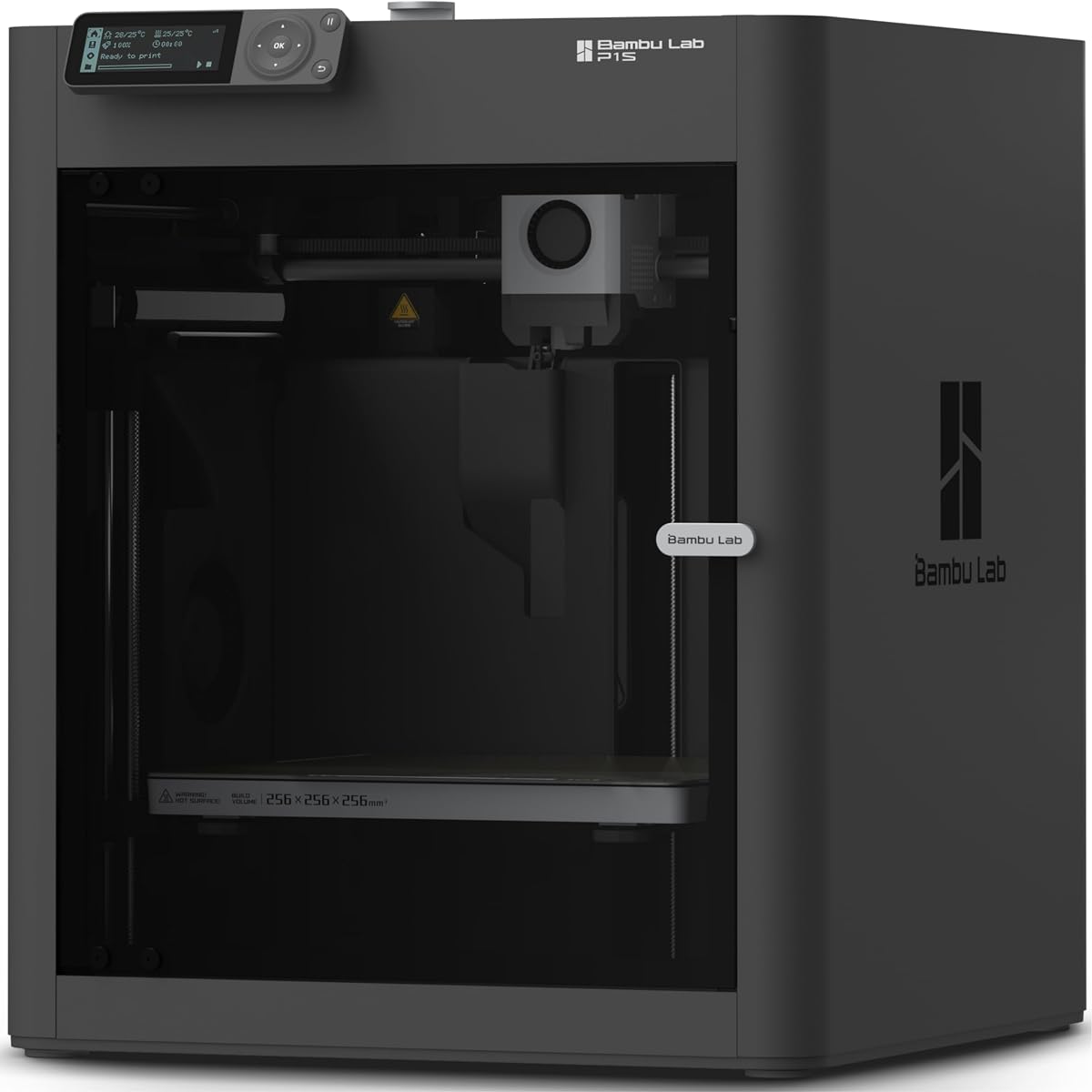
4.5Editor score

4.4Editor score
The following table compares all ten models side by side on critical specifications for engineering materials, ensuring you can find the right balance of performance and cost for your workspace.
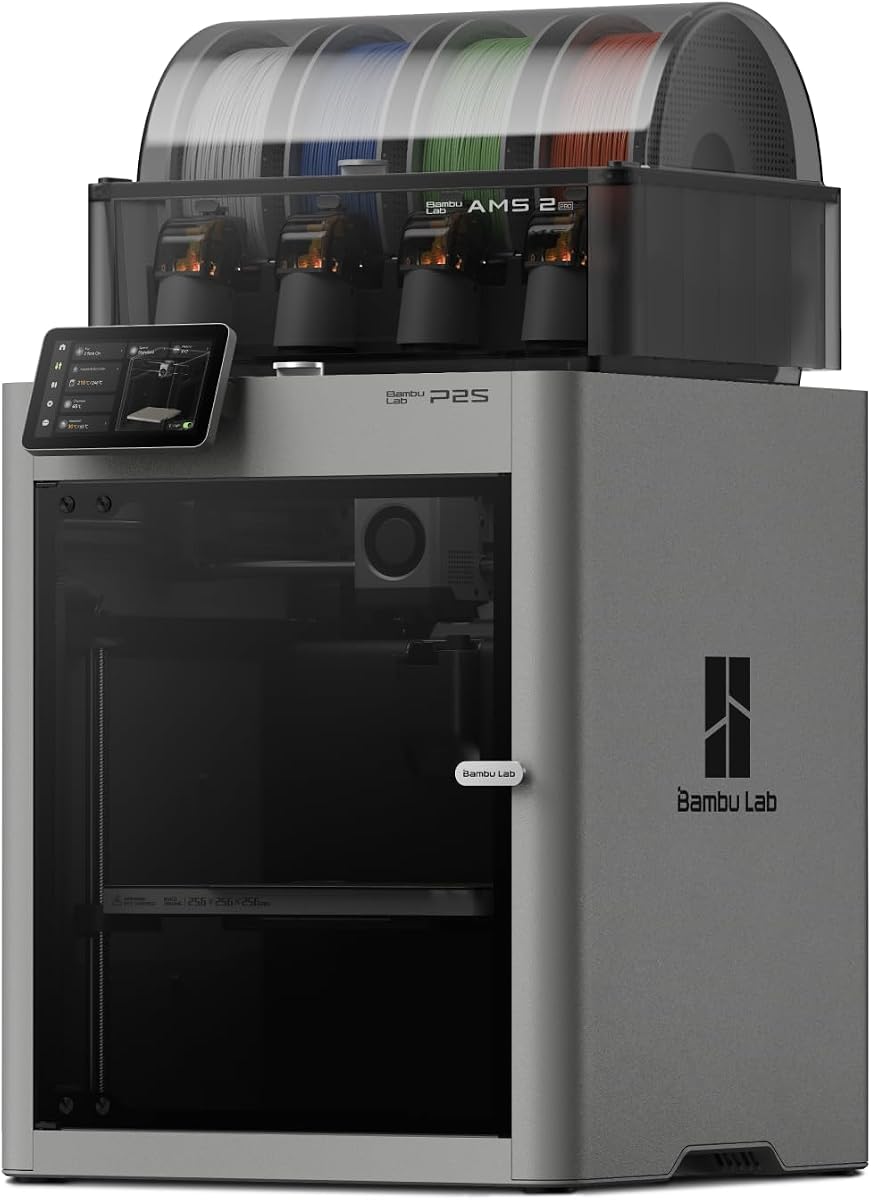


The Bambu Lab P2S Combo stands out as a top-tier solution for engineers needing reliable high-temperature printing. With a 4.7 rating, it delivers consistent results on ABS and ASA by maintaining a stable 50°C chamber. The included AMS 2 Pro adds filament drying, ensuring moisture-free prints for demanding materials.
We may earn a commission when you buy through this link, at no additional cost to you.
Its Adaptive Airflow System balances cooling and heat retention, crucial for overhangs on engineering parts. The PMSM Servo Extruder and Active Flowrate Compensation ensure sharp corners and smooth surfaces even at 600mm/s. Setup takes just 15 minutes, making it ready for production quickly without extensive calibration.
While the price is higher than entry-level units, the integrated drying and airflow control justify the cost for professional use. The only trade-off is needing the combo version for multi-color, which adds complexity but enhances creativity for complex prototypes.
This printer is ideal for makers working with functional parts requiring thermal stability. If you prioritize speed and consistent high-temp performance, the P2S Combo delivers exceptional value through its refined workflow and smart features.
The 50°C chamber retention prevents warping on ABS and ASA, ensuring parts stay within tolerance during long prints.
The AMS 2 Pro dries filaments up to 65°C, preventing moisture issues that cause defects in high-temperature materials.
We may earn a commission when you buy through this link, at no additional cost to you.
The Creality K1C is a standout budget option for printing carbon fiber and high-temperature filaments. Rated 4.3, it supports 300°C nozzle temps and uses a clog-free direct extruder designed for abrasive materials. This makes it accessible for hobbyists stepping into engineering-grade prints without a steep investment.
We may earn a commission when you buy through this link, at no additional cost to you.
It features auto leveling and input shaping, reducing setup time to just 3 minutes from unboxing. The steel-stripped copper nozzle and titanium alloy heatbreak block heat creep effectively. While the chamber is not actively heated, the direct extruder ensures reliable extrusion for demanding filaments like PA or PC.
The main limitation is the lack of active chamber heating, which may require enclosures for very large ABS prints. However, the speed of 600mm/s and low cost make it an excellent entry point. It balances performance and price better than many competitors in this segment.
For those seeking carbon fiber capability without breaking the bank, the K1C is the smart choice. It delivers durable prints and easy maintenance, proving that high-temperature printing can be affordable for serious makers.
The hardened nozzle and titanium heatbreak prevent clogs when printing carbon fiber and glass-reinforced polymers.
Auto calibration and plug-and-play design get you printing fast without manual bed leveling hassles.
We may earn a commission when you buy through this link, at no additional cost to you.
The FLASHFORGE Creator 5 Pro is designed for industrial-grade reliability with an active 65°C chamber for warping-free ABS and PC prints. Its 4 independent extruders enable true multi-color printing without purging, saving material and time. The HEPA13 filtration ensures a safe environment, making it suitable for offices.
We may earn a commission when you buy through this link, at no additional cost to you.
The rigid all-metal frame supports CoreXY motion for precise 600mm/s printing. Toolless nozzle changes take under 30 seconds, reducing downtime significantly. The system eliminates color transition delays entirely by switching nozzles instead of purging, which is a massive efficiency gain for multi-material work.
While the price is premium, the zero-waste design and active heating justify the cost for professionals. The only drawback is the large footprint, which requires adequate workspace. It remains unmatched for efficiency when handling multiple materials simultaneously.
If you need robust multi-material capabilities with thermal consistency, the Creator 5 Pro leads the pack. It combines industrial strength with smart engineering to deliver top-tier results for complex parts.
Independent toolheads swap nozzles instantly, avoiding massive filament purge waste common in single-extruder systems.
The 65°C heated chamber maintains stable conditions for high-performance polymers regardless of room temperature.
We may earn a commission when you buy through this link, at no additional cost to you.
The Bambu Lab P1S is a reliable closed-form printer perfect for beginners moving into engineering materials. With a 4.5 rating, it features a fully enclosed body that improves performance for ABS and ASA. Auto bed leveling ensures successful prints right out of the box.
We may earn a commission when you buy through this link, at no additional cost to you.
It supports speeds up to 500mm/s with 20,000 mm/s² acceleration for quick prototyping. The design is user-friendly, taking only 15 minutes to set up. Users can add the AMS later for multi-color capabilities, though it does not support reinforced polymers like carbon fiber.
The lack of active chamber heating may limit very large prints, but for most standard engineering projects, it suffices. It strikes a balance between ease of use and capability, avoiding the complexity of manual calibration or heavy maintenance.
For most home users needing reliable prints on standard engineering filaments, the P1S is the top pick. It offers a seamless experience that minimizes failed prints and maximizes uptime.
Automatic bed leveling and auto input shaping ensure smooth first layers without manual paper adjustments.
Ideal for PLA and PETG, yet capable of handling ABS and ASA for functional prototypes.
We may earn a commission when you buy through this link, at no additional cost to you.
The Bambu Lab A1 brings speed and silence to 3D printing with a 4.7 rating. It accelerates to 10,000 mm/s² and offers full-auto calibration for precise Z-offset and bed leveling. This makes it highly accessible for beginners and kids looking for reliable results.
We may earn a commission when you buy through this link, at no additional cost to you.
The Active Flow Rate Compensation ensures consistent smooth prints by adjusting flow according to real-time readings. Maintenance is easy with a 1-Clip quick swap nozzle. However, the open frame means it is better suited for PLA and PETG rather than high-temperature engineering materials.
The trade-off is the lack of enclosure, which limits warping protection for ABS. Yet for general use, the speed and quiet motor noise canceling make it a pleasure to use. It offers premium features at a budget-friendly price point.
Ideal for hobbyists focused on standard materials, the A1 delivers exceptional precision without noise. If high heat is not your priority, it provides one of the smoothest user experiences available.
Active motor noise canceling keeps the environment quiet, allowing work nearby during long prints.
Full-auto calibration handles Z-offset and leveling, removing manual adjustments entirely.
We may earn a commission when you buy through this link, at no additional cost to you.
The FLASHFORGE AD5X offers multi-color printing via Independent Filament System technology. Rated 4.4, it supports 300°C nozzles for engineering filaments like ABS. The fully automatic leveling system ensures consistent print quality without manual intervention.
We may earn a commission when you buy through this link, at no additional cost to you.
At 600mm/s, it delivers rapid results for prototyping without sacrificing precision. The build volume is 220x220x220mm, which suits small to medium projects. It uses IFS technology to manage up to four different colors simultaneously for vibrant and artistic designs.
The small build volume limits large functional parts. However, its price and speed make it great for decorative and prototype work. The auto leveling saves time and reduces failed prints significantly.
For users wanting multi-color capability on a budget, the AD5X is a solid choice. It balances speed, ease of use, and color options effectively.
IFS allows simultaneous multi-color printing without purging between layers.
Reaches 600mm/s for fast prototyping, reducing project turnaround time significantly.
We may earn a commission when you buy through this link, at no additional cost to you.
The Anycubic Kobra S1 Max is built for large-scale projects with a 350mm³ build volume. It features a 65°C heated chamber and 350°C hotend to handle PC and PA6-CF effectively. The CoreXY system ensures stability even at 600mm/s speeds.
We may earn a commission when you buy through this link, at no additional cost to you.
AI monitoring detects failures early to reduce waste. The extrusion system uses a titanium alloy throat to prevent clogging. This printer is designed for long-duration prints where thermal stability is critical.
The large footprint requires significant workspace. Yet for functional prototypes like helmets or footwear, its size is a major advantage. It maintains thermal stability for advanced filaments.
For projects needing maximum build volume with heat retention, the Kobra S1 Max is unmatched. It delivers robust results for industrial-scale models.
350mm³ allows printing large parts like footwear without supports or splitting.
350°C hotend and 65°C chamber handle the toughest engineering polymers.
We may earn a commission when you buy through this link, at no additional cost to you.
The Flashforge AD5X brings multi-color printing to budget buyers with 300°C all-metal hotend support. It runs at 600mm/s and offers direct printing for up to four colors. Wi-Fi monitoring and HD camera allow remote tracking from anywhere.
We may earn a commission when you buy through this link, at no additional cost to you.
Auto leveling and magnetic PEI plate simplify setup and part removal. It handles nylon and carbon fiber with an enclosed chamber kit. The 30-second nozzle swap makes maintenance quick.
Lacking active heating limits very large ABS prints. Still, it offers impressive value for its price. The connectivity options make it easy to monitor prints safely.
For colorful projects needing high temperature, the AD5X is a strong option. It balances speed, color, and cost effectively.
Dual-band Wi-Fi and HD camera allow monitoring prints without being physically present.
300°C nozzle supports nylon and carbon fiber when upgraded with enclosed kit.
We may earn a commission when you buy through this link, at no additional cost to you.
The Snapmaker U1 features a 5-second tool changer reducing waste and swap time dramatically. It allows multi-material printing combining rigid and flexible parts seamlessly. With 5 independent toolheads, it switches materials without purging.
We may earn a commission when you buy through this link, at no additional cost to you.
It supports water-soluble supports for complex parts. The vibration compensation ensures precision at 500mm/s. Auto calibration fine-tunes extrusion for accurate first layers.
The cost is higher due to the advanced tool system. However, efficiency gains are significant for multi-material projects. It minimizes failed prints with smart monitoring.
Ideal for intricate designs needing support structures, the U1 delivers unmatched speed. It simplifies complex workflows for professionals.
Tool swapping reduces waste by 5X compared to traditional purging systems.
Combine rigid and flexible materials for functional prototypes with easy supports.
We may earn a commission when you buy through this link, at no additional cost to you.
The FLASHFORGE Creator 5 Pro offers near-zero waste through FlashSwap changer eliminating purge waste. It maintains 65°C active chamber for ABS and PC prints. Dynamic flow calibration ensures smooth first layers every time.
We may earn a commission when you buy through this link, at no additional cost to you.
Dual HEPA13 filtration keeps the environment safe. CoreXY motion ensures stability at 600mm/s. It is built for high-throughput industrial environments requiring reliability.
Complex setup may deter beginners. But for professionals, the efficiency and safety benefits are clear. It reduces operating costs significantly.
For industrial workflows needing efficiency, the Creator 5 Pro is top tier. It delivers consistent results with minimal waste.
FlashSwap changer eliminates purging waste, reducing operational overhead and material costs.
Dual HEPA13 filtration traps ultrafine particles for odorless production environments.
We may earn a commission when you buy through this link, at no additional cost to you.
Selecting the right printer involves understanding critical specifications that affect print quality and material compatibility.
Active chamber heating keeps the internal temperature stable, preventing warping on ABS and ASA. Without it, large prints may curl at the edges.
Look for models that maintain at least 50°C to 65°C for consistent engineering results.
High-temperature materials like PC require nozzles reaching 300°C or higher. Standard PLA printers often lack this capacity.
Ensure the nozzle spec exceeds your filament requirements to avoid clogs and poor extrusion.
Direct extruders grip filament tightly, which is essential for abrasive carbon fiber. Bowden setups may struggle with stiff materials.
Choose a direct drive system for better control over tough engineering filaments.
Larger projects like helmets need 300mm+ dimensions. Smaller models suffice for desktop prototypes.
Match the build size to your most common project dimensions to save time.
Independent extruders avoid purge waste during color changes. Single-extruder systems often waste material.
Prioritize multi-extruder setups if you need efficient multi-color production.
Sealed enclosures protect parts from drafts and retain heat better. Poor seals lead to inconsistent layer adhesion.
Ensure the printer has a solid enclosure for stable thermal performance.
Auto bed leveling and input shaping reduce setup errors and vibration. Manual calibration wastes time and leads to failures.
Select models with full-auto calibration for smoother workflow.
HEPA filtration captures odors and particles from ABS. It is critical for office environments.
Check for active filtration systems to ensure safe air quality during prints.
Preheat your chamber to the target temperature before starting prints on ABS or ASA. This prevents warping and ensures consistent adhesion.
Clean nozzles regularly when switching between abrasive filaments like carbon fiber. Use brass brushes or replace hardened nozzles as needed.
Store filaments in dry boxes to avoid moisture absorption. Dry ABS and PC before printing for best results.
ABS typically prints at 240°C to 260°C nozzle temperature. Maintaining a chamber between 50°C and 60°C helps prevent warping and improves layer adhesion.
Yes, an enclosure is crucial for ABS and ASA. It retains heat to prevent warping and protects parts from drafts during long print cycles.
Carbon fiber requires abrasive-resistant nozzles. Use hardened steel or ruby tips to prevent clogging. Ensure the extruder grips tightly to avoid slipping.
PC withstands higher heat but requires more precise temperature control. ASA offers similar UV resistance to ABS but with better warping resistance.
Use a raft or brim to improve adhesion. Ensure the chamber stays warm throughout the print. A heated bed set to 100°C helps significantly.
Independent extruder systems allow switching materials without purging. Models like the Snapmaker U1 or Creator 5 Pro excel here.
The Bambu Lab P2S Combo leads the list with its 50°C chamber and smart airflow for engineering materials. Creality K1C offers an excellent budget option for carbon fiber users.
Prioritize active chamber heating and nozzle limits when selecting a model. Consistency in temperature ensures fewer failed prints on ABS and PC.
Prices fluctuate, so verify current offers before buying. Check availability for the AMS 2 Pro or toolheads to maximize performance.