
TOPBULL 5000W Inverter
4.6Editor score
12V DC to 120V AC
4 AC Outlets Included
Wireless Remote Control
Compare the top 5000 Watt Solar Inverter models for off-grid power, including hybrid systems and pure sine wave outputs for home backup and RV use.
Finding the right power solution for your home or vehicle can be challenging. A 5000 Watt Solar Inverter offers a robust bridge between solar energy storage and usable AC power for your appliances and electronics daily.
We analyzed ten leading models based on their efficiency, charging capabilities, and compatibility with various battery types. This list covers hybrid inverters with built-in charge controllers as well as pure sine wave units for sensitive electronics.
Each pick highlights key specifications, real-world performance notes, and safety features to help you decide. Please note that prices and availability change frequently so check current listings before purchasing any unit today.
4.6Editor score

5.0Editor score

4.1Editor score
The following table provides a side-by-side comparison of the top ten 5000 Watt Solar Inverter models available in October 2026 to help you evaluate their key specifications at a glance.


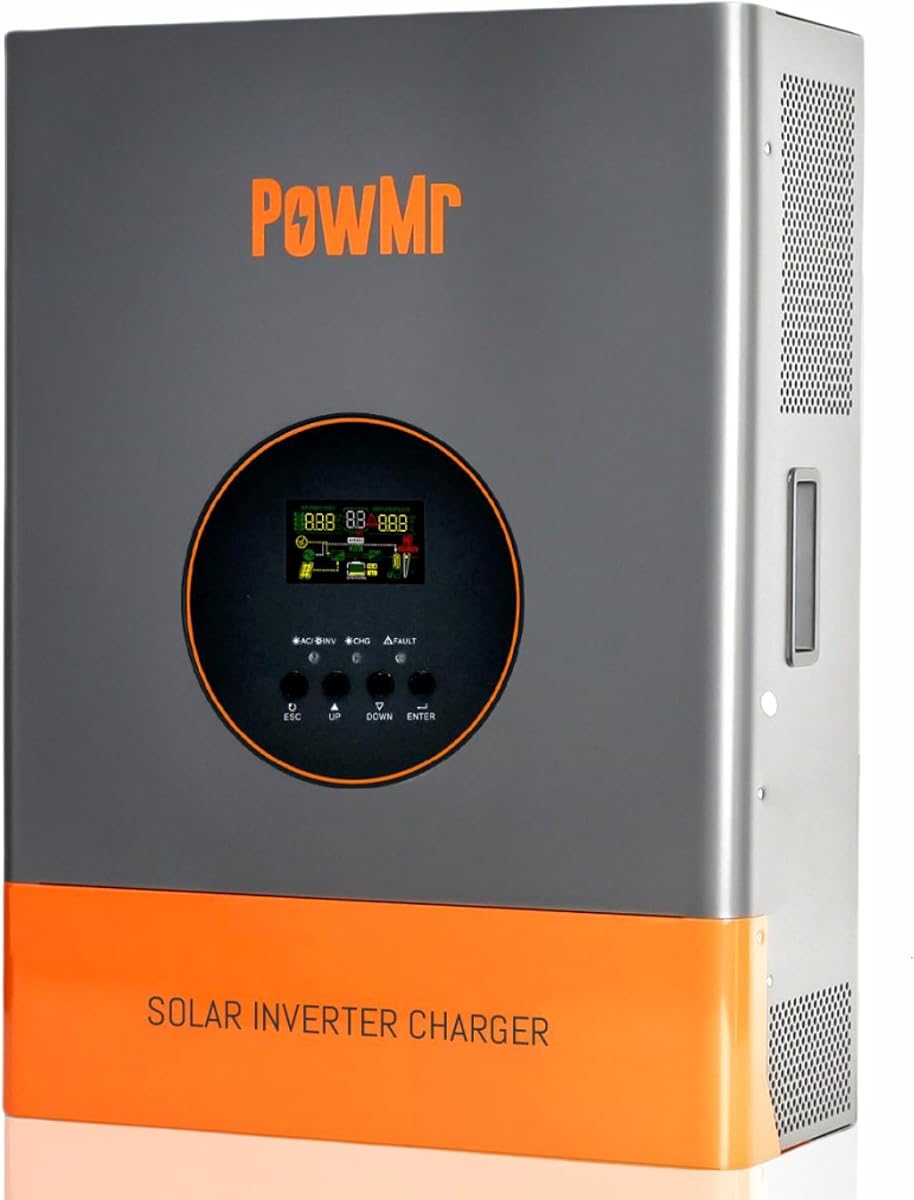

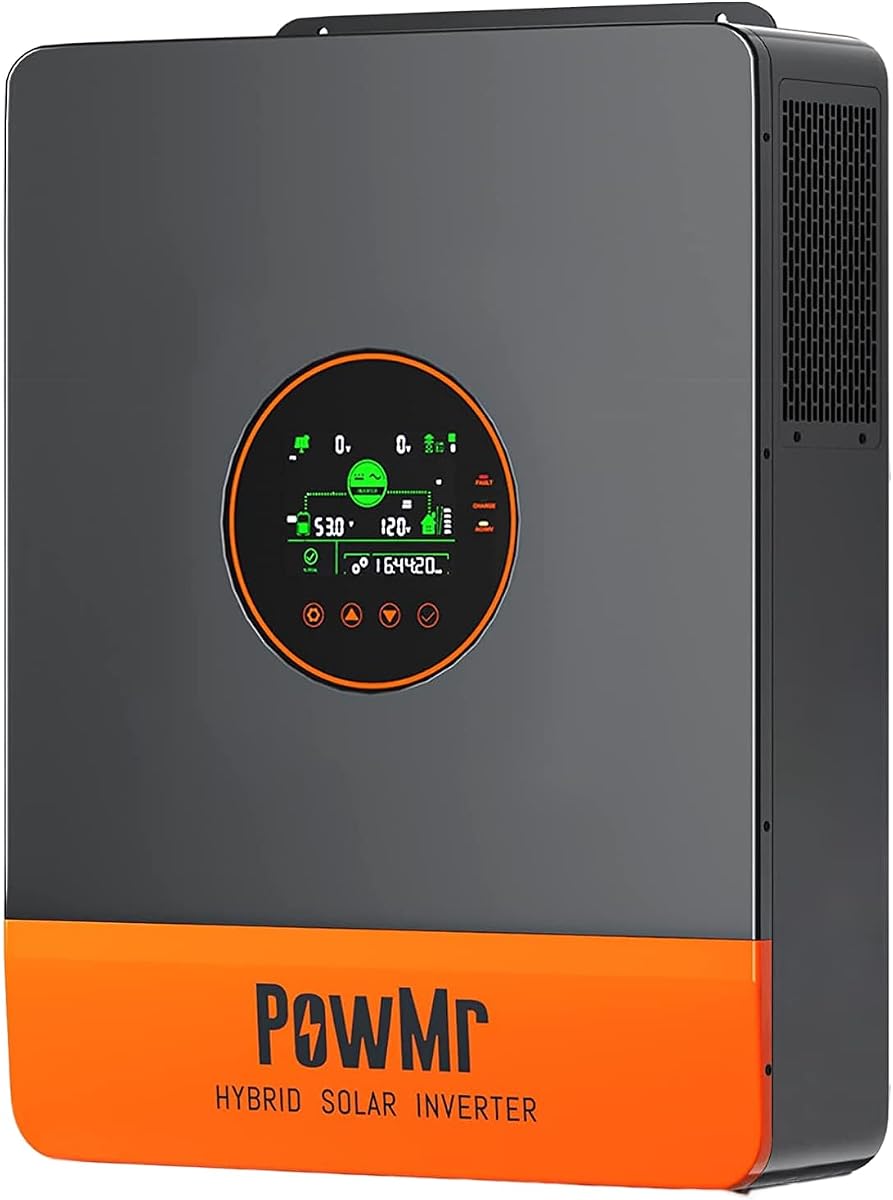


This hybrid inverter ranks as our top choice due to its exceptional peak power output and built-in MPPT controller. It delivers up to 15000W peak power which is ideal for starting high-load appliances like air conditioners.
We may earn a commission when you buy through this link, at no additional cost to you.
The unit supports multiple charging and discharging modes allowing you to prioritize solar energy or utility power. Its compatibility with various 48V battery types makes it versatile for both lead-acid and lithium setups.
While it requires a 48V battery bank and professional installation the high reliability justifies the complexity. The dual voltage output ensures it works in diverse scenarios without needing external transformers.
Homeowners seeking a robust off-grid solution for full home backup should consider this model. It balances efficiency capacity and smart management features better than most competitors in this category.
The 15000W peak power ensures that motors and compressors start without tripping the system or causing brownouts.
Three charging modes including Solar Only and Utility Priority give you flexibility based on weather and grid conditions.
We may earn a commission when you buy through this link, at no additional cost to you.
This inverter stands out for its ability to parallel up to six units creating a scalable power system for larger homes. It supports split phase configurations making it suitable for 240V appliances.
We may earn a commission when you buy through this link, at no additional cost to you.
The built-in 100A MPPT controller efficiently manages solar input while the 40A AC charger provides quick grid charging. Flexible timed charging helps you avoid peak utility rates effectively.
The single phase output limits its use for high voltage 240V circuits without parallel setups. However the UL1741 certification adds a layer of safety for grid-tie applications where required.
For those planning to expand their power needs over time this unit offers the best scalability. It is a premium choice for serious off-grid enthusiasts needing reliable long-term backup.
Connecting multiple units allows you to reach up to 30kW of total output for large-scale industrial or residential needs.
You can schedule charging during off-peak hours to reduce costs and maximize the value of your battery storage.
We may earn a commission when you buy through this link, at no additional cost to you.
This inverter delivers impressive power for its price making it a top budget pick for mobile applications. It converts 12V DC to 120V AC with a 10000W peak surge to handle heavy loads.
We may earn a commission when you buy through this link, at no additional cost to you.
The unit features four AC outlets plus USB and Type-C charging which is rare at this price. A wireless remote control lets you switch power on and off from a distance easily.
It is designed for 12V car batteries which may not sustain 5000W loads for long periods. Ensure your battery and wiring can support the high current draw to avoid overheating.
Ideal for RVs camping trips or emergency vehicle power this model offers great value. Just verify your battery capacity matches the demands before expecting long runtime.
With multiple USB and Type-C ports you can charge modern electronics without needing extra adapters or cables.
The 200 foot remote control allows easy access to power toggling when the inverter is hidden under seats or in cabins.
We may earn a commission when you buy through this link, at no additional cost to you.
This all-in-one inverter simplifies off-grid setups with integrated charging and power conversion features. It supports up to 5500W PV arrays which allows for robust solar energy harvesting.
We may earn a commission when you buy through this link, at no additional cost to you.
The RS485 port enables communication with BMS systems ensuring safe battery management across various types. User mode allows custom voltage inputs for niche battery configurations.
The lack of parallel support limits scalability for larger power needs. However for standalone home backup it provides reliable and clean power for sensitive electronics.
Choose this unit if you need a straightforward solution without the complexity of parallel wiring. It is well-suited for cabins and small homes needing dependable off-grid power.
The User Mode feature lets you program specific voltages for unique battery setups beyond standard types.
Supporting 5500W of PV input means you can scale your solar array for better energy independence.
We may earn a commission when you buy through this link, at no additional cost to you.
This heavy-duty inverter offers versatile connection options for vehicles and mobile solar systems. It includes a hardwire terminal which ensures stable connections for continuous loads.
We may earn a commission when you buy through this link, at no additional cost to you.
The LCD display provides real-time data on voltage load and battery levels so you can monitor system health. Smart cooling fans activate only when needed to reduce noise and wear.
Like many 12V models it draws high current from the battery which requires thick cables. Proper wiring is essential to prevent voltage drops during high-power usage.
Perfect for RV owners and off-grid cabins needing reliable power on the go. Its durable build and remote control make it practical for daily mobile use.
The hardwire option offers a secure connection for permanent installations reducing loose contact risks.
Fans only run when temperature or load thresholds are met keeping the unit quiet during low demand.
We may earn a commission when you buy through this link, at no additional cost to you.
This variant improves on the original with a larger toroidal transformer for better stability and efficiency. The upgraded design supports higher peak loads which benefits heavy-duty appliance startup.
We may earn a commission when you buy through this link, at no additional cost to you.
Dual cooling fans ensure effective heat dissipation even under prolonged load. The dust-proof enclosure extends lifespan in harsh environments like garages or outdoor sheds.
It is not the lightest unit so mounting it requires careful planning. However the build quality justifies the weight for stationary home backup applications.
Consider this model if you need high efficiency and durability. It delivers reliable power with advanced safety features for long-term operation.
Toroidal transformers reduce noise and improve efficiency compared to traditional EI types in inverters.
The sealed enclosure keeps dust out maintaining internal components for longer service life.
We may earn a commission when you buy through this link, at no additional cost to you.
This unit offers high conversion efficiency ensuring minimal power loss from battery to output. It includes eight layers of safety protection to prevent damage from shorts or overheating.
We may earn a commission when you buy through this link, at no additional cost to you.
The smart temperature-controlled fan activates only when necessary saving energy and reducing noise. Hardwire ports and pure copper cables provide reliable electrical connections.
It lacks advanced hybrid charging features making it best for standalone DC to AC conversion. Ensure you use heavy-duty cables to handle the current draw safely.
Ideal for users seeking a simple reliable inverter for RV or car use. Its efficiency and safety make it a solid choice for basic mobile power needs.
Over 90% efficiency means more of your battery power reaches your devices with less waste.
Copper conductors reduce resistance and heat buildup improving performance and safety over time.
We may earn a commission when you buy through this link, at no additional cost to you.
This model supports split phase output allowing you to run 240V appliances without external transformers. It can also operate in batteryless mode using PV or grid directly.
We may earn a commission when you buy through this link, at no additional cost to you.
Time-slot control helps you manage utility charging costs by scheduling during off-peak hours. Communication ports like USB and CAN allow for system monitoring.
Split phase requires two units wired together which increases cost and complexity. But it unlocks high voltage appliances that single-phase inverters cannot handle.
Choose this for larger homes or businesses needing 240V support from solar. It offers flexibility in power sourcing and advanced energy management features.
The ability to run without batteries simplifies setup for immediate grid or solar power needs.
Schedule charging during cheaper times to save on electricity costs and optimize utility use.
We may earn a commission when you buy through this link, at no additional cost to you.
This inverter stands out for offering AIG product liability insurance which provides peace of mind for buyers. It supports split-phase and parallel setups for flexible scaling.
We may earn a commission when you buy through this link, at no additional cost to you.
Timed charging and discharging features help you optimize electricity costs. The UPS function ensures no interruption in power when grid fails.
Documentation can be sparse so professional installation is recommended for safe setup. However the financial protection adds value to the overall package.
Ideal for users who want security alongside standard hybrid features. It is a great option for budget-conscious buyers wanting insurance backing.
AIG coverage offers extra confidence against accidental damage or system failures beyond standard warranties.
Parallel setups can deliver 240V power to run larger appliances safely and efficiently.
We may earn a commission when you buy through this link, at no additional cost to you.
This hybrid inverter supports up to 6400W PV input which allows for substantial solar array integration. The split phase output handles 240V loads directly without extra hardware.
We may earn a commission when you buy through this link, at no additional cost to you.
It includes RS232 interfaces for easy control and monitoring via external devices. The 15000W peak ensures robust starting power for high-demand appliances.
Installation requires careful attention to PV limits to avoid damage. However the capacity makes it ideal for large off-grid or grid-tie systems.
Consider this model for serious solar setups needing high input and dual voltage. It offers professional-grade specs for reliable power management.
Supporting 6400W PV input means you can maximize solar harvesting even on cloudy days.
110V/240V output supports a wide range of appliances from small electronics to heavy machinery.
We may earn a commission when you buy through this link, at no additional cost to you.
Selecting the right inverter requires understanding your power needs battery system and installation environment. This guide explains the key factors to consider for making a smart choice.
Continuous power is what the inverter can supply indefinitely while peak power is the short burst it can handle to start motors. Look for units where peak power is at least double the continuous rating to handle appliance startup surges.
Always check the peak wattage for appliances with compressors or motors to ensure the inverter won't trip under load.
Inverters are designed for specific battery voltages like 12V 24V or 48V. Higher voltage systems reduce current draw and improve efficiency for large power needs. Ensure your battery bank matches the inverter's input requirements.
Match the inverter input voltage to your battery bank to avoid efficiency losses or equipment damage.
A built-in MPPT controller optimizes solar energy harvest by adjusting input voltage to the battery. Higher amperage ratings allow for larger solar arrays and faster charging. Check the PV input range to ensure it fits your panels.
Choose a model with sufficient MPPT amperage to support your planned solar array size effectively.
Standard units output 120V AC but some support split phase for 240V appliances. If you need to run air conditioners or electric heaters verify the inverter provides the required voltage. Split phase often needs parallel inverters.
Confirm the output voltage matches your household or appliance requirements before purchase.
Pure sine wave inverters produce smooth clean power that is safe for sensitive electronics. Modified sine wave can damage devices like laptops or medical equipment. For home backup always opt for pure sine wave models.
Ensure the inverter produces a pure sine wave to protect your valuable electronics and appliances.
Parallel support allows connecting multiple inverters to increase total power output. This is useful for growing energy needs or high-demand loads. Check if the model supports up to six units for future scalability.
Look for parallel support if you anticipate needing more power as your energy needs grow over time.
Critical protections include overvoltage overload short circuit and thermal safeguards. These features prevent damage to batteries and connected devices. Ensure the inverter has dual cooling fans to manage heat effectively.
Prioritize models with multiple built-in safety features to protect your investment and home.
Interfaces like RS232 RS485 USB or CAN allow remote monitoring and control. These are useful for system logging and battery management. Check if the inverter supports the communication protocols you need.
Verify communication ports are available for monitoring and controlling the system remotely.
First connect the inverter to the battery bank using the recommended cable gauge to prevent voltage drop and overheating. Tighten all connections securely and install a fuse or breaker between battery and inverter for safety.
Second configure the charging modes based on your energy sources. Set priority to solar if you want to minimize utility use or set utility priority for battery charging when solar is insufficient.
Third monitor the LCD display regularly for voltage levels and alerts. Keep the unit in a well-ventilated area free from dust and moisture to maintain cooling efficiency and prevent corrosion.
A hybrid inverter combines an inverter and a charge controller allowing it to manage solar input directly. Standard inverters only convert DC to AC and require a separate charge controller for solar charging.
Only if the inverter supports split phase output or you connect two units in parallel. Standard 120V inverters cannot power 240V appliances without external transformers.
Yes for safety and warranty reasons especially with 48V systems or parallel setups. Improper installation can lead to electrical hazards or voided manufacturer warranties.
Runtime depends on the battery capacity measured in amp-hours. A larger battery bank will support 5000W loads longer but expect 1 to 2 hours for standard setups.
Peak power is the maximum wattage the inverter can supply for a few seconds to start motor loads. It is higher than the continuous rating and ensures appliances don't trip during startup.
Only if the model is certified for grid-tie use like UL1741. Otherwise it can only operate off-grid or in hybrid backup modes without feeding power back to the grid.
Most support lead-acid AGM Gel and LiFePO4 lithium batteries. Some include user modes to customize voltage settings for custom or niche battery packs.
Most brands offer between 12 to 24 months of warranty coverage. Check the specific product listing for warranty terms and registration requirements to ensure coverage.
The PowMr 5000W Hybrid leads our list with its high peak power and built-in MPPT controller. It offers a reliable solution for those needing robust power for home backup or off-grid living.
For mobile users the TOPBULL 5000W provides excellent value with multiple ports and a wireless remote. It simplifies power access for vehicles and RVs without requiring complex wiring setups.
Always verify your battery and solar array compatibility before purchasing to ensure system efficiency. Check current prices and availability as they change frequently depending on demand and supply.