
Smart Watch Fitness Tracker
4.2Editor score
120+ sports modes
IP68 waterproof rating
Affordable price point
Finding the right fitness tracker for tennis players requires careful consideration of durability, battery life, and specific sport tracking features that can withstand intense on-court activity and provide accurate performance metrics.
We compared ten top-rated devices based on user reviews, expert analysis, and key specifications like water resistance, heart rate accuracy, and sport mode variety to ensure you get reliable data during every match and training session.
Each pick highlights unique strengths for tennis enthusiasts while noting trade-offs such as screen visibility or subscription requirements, helping you make an informed decision since prices and availability can change over time.
4.2Editor score

4.3Editor score

4.2Editor score
As an Amazon Associate we earn from qualifying purchases.
The following comparison table provides a side-by-side look at all ten fitness trackers included in this guide, highlighting their core specifications, key features, and standout attributes to help you quickly identify which device aligns best with your tennis training and daily health monitoring requirements.


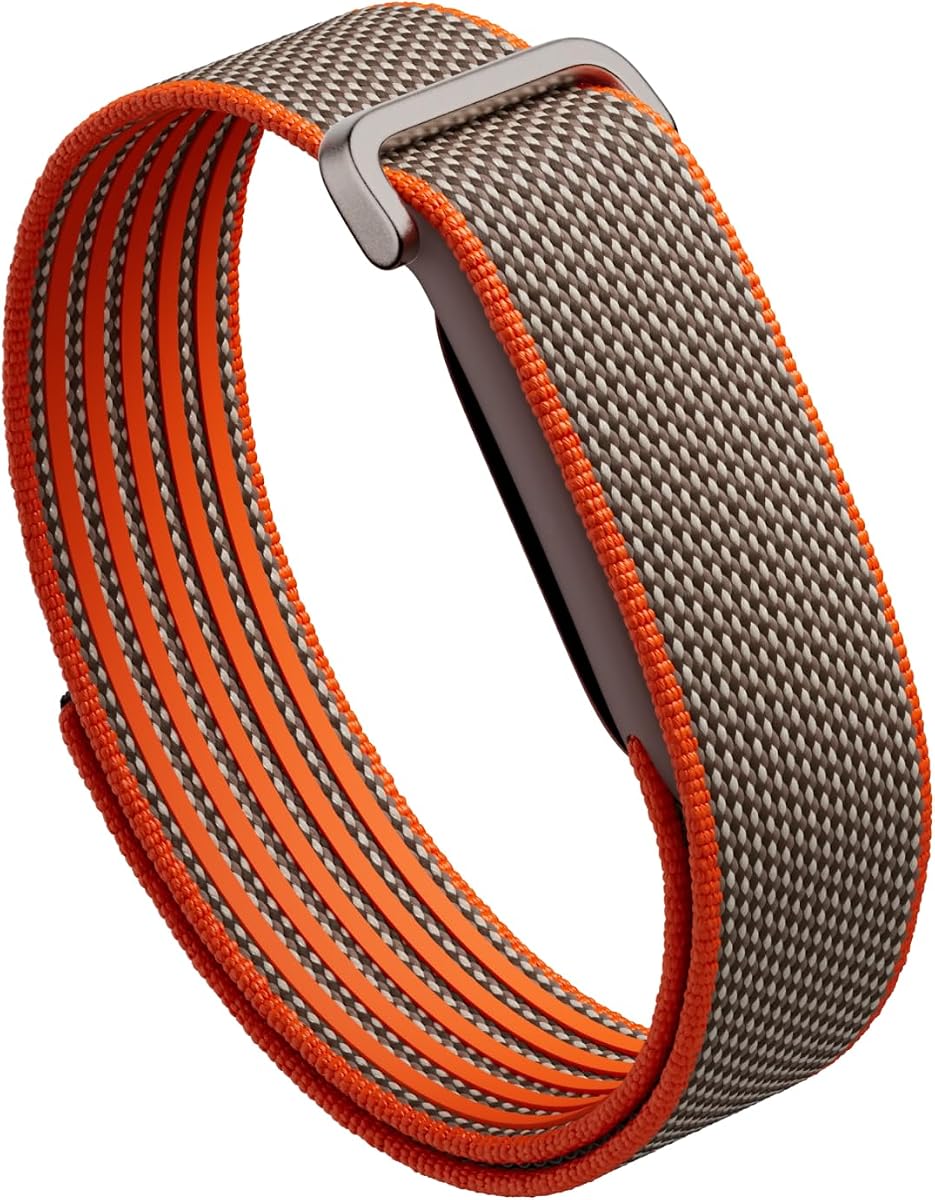



This budget-friendly smartwatch offers an impressive array of features at a fraction of the cost of premium brands, making it an accessible entry point for tennis players who want detailed tracking without breaking the bank.
We may earn a commission when you buy through this link, at no additional cost to you.
The standout feature is its 120+ sports modes, which likely include tennis or general racket sports options allowing users to track court time and intensity alongside standard metrics like steps and calories burned throughout the day.
While the heart rate and blood pressure monitoring provide useful trends, users should note that medical-grade accuracy may vary compared to hospital equipment, but it is sufficient for general fitness guidance and workout pacing.
This device is ideal for casual tennis enthusiasts or beginners who want to monitor their activity levels, sleep quality, and daily movement without investing in a high-end smartwatch, especially given its solid water resistance for sweaty sessions.
The 1.58 ultra high-resolution display ensures that data is easy to read even under bright sunlight on the tennis court, while intuitive full-touch controls allow for quick adjustments during breaks without fumbling with buttons.
Beyond sports tracking, the watch offers 24/7 health monitoring including sleep stages, blood oxygen, and stress insights which helps players understand how recovery impacts their on-court performance and overall readiness.
We may earn a commission when you buy through this link, at no additional cost to you.
The Fitbit Inspire 3 is a sleek and comfortable tracker that excels at monitoring overall wellness, making it a strong choice for tennis players who prioritize recovery and stress management alongside their physical training.
We may earn a commission when you buy through this link, at no additional cost to you.
Its Daily Readiness Score and Active Zone Minutes provide actionable insights into when to push hard during matches and when to prioritize rest, which is crucial for preventing overtraining and injury during intensive tennis seasons.
While it lacks built-in GPS requiring a phone connection for distance tracking, its automatic exercise tracking ensures that your tennis session is still logged without needing to manually start and stop a workout mode.
Ideal for players focused on holistic health, this tracker offers robust sleep analysis and stress monitoring features that help optimize recovery, though some advanced coaching features require a premium subscription to access fully.
The smart wake vibrating alarm and detailed sleep score help you understand your rest quality, ensuring you start every match alert and energized rather than fatigued from poor sleep patterns.
Mindfulness sessions and breathing tools integrated into the app help players manage pre-match nerves and high-pressure situations, promoting mental resilience which is just as important as physical conditioning.
We may earn a commission when you buy through this link, at no additional cost to you.
Upgrading from the Inspire 3, the Fitbit Charge 6 adds built-in GPS which is a game-changer for outdoor tennis players who want to track court boundaries or practice drills without carrying their smartphone around.
We may earn a commission when you buy through this link, at no additional cost to you.
Integration with Google services allows for seamless music control via YouTube Music and contactless payments through Google Wallet, meaning you can leave your wallet and phone at home while focusing entirely on your game.
The real-time heart rate display helps you stay in the optimal zone during high-intensity rallies, while the stress management score tracks how your body responds to competitive pressure over time.
This tracker suits tennis players who value data accuracy and smart features without the bulk of a full smartwatch, though be aware that full access to personalized coaching requires a Google Health Premium subscription.
For players who mix court time with outdoor running or cycling to cross-train, Google Maps integration ensures you never lose your way during warm-ups or cool-downs in unfamiliar parks.
Understanding your physiological stress response through the stress score helps you identify patterns in your recovery, allowing for better preparation before big matches or tournaments.
We may earn a commission when you buy through this link, at no additional cost to you.
The screenless design of the Fitbit Air Special Edition is perfect for players who find looking at a watch distracting during intense rallies, focusing entirely on tracking your movement and effort without visual interruption.
We may earn a commission when you buy through this link, at no additional cost to you.
Weighing almost nothing and featuring a micro-adjustable fit, it stays securely on your wrist even during aggressive serves and volleys, while the sweatproof and moisture-wicking coating ensures it handles humid conditions with ease.
With a battery life lasting up to a week and fast charging capabilities, you can wear it continuously to track sleep and activity without the hassle of daily charging or worrying about power draining mid-match.
Best for minimalists who want pure performance data, this device pairs with Google Health Premium for personalized insights, though the lack of a screen means you must rely on your smartphone app to review detailed metrics.
By removing the screen, the tracker eliminates the temptation to check notifications mid-point, helping players maintain focus and flow state which is critical for high-level tennis performance.
The waterproof coating and breathable design ensure the band remains comfortable even during long summer matches, preventing skin irritation and sweat buildup that can occur with bulkier watches.
We may earn a commission when you buy through this link, at no additional cost to you.
Used by world-class athletes, the WHOOP 5.0 offers deep insights into strain, recovery, and sleep quality, providing tennis players with science-backed guidance to optimize training loads and prevent burnout during competitive seasons.
We may earn a commission when you buy through this link, at no additional cost to you.
The personalized AI coaching adapts to your body's needs, suggesting when to push harder or rest based on HRV and other physiological signals, ensuring you are physically primed for high-intensity matches and tournaments.
With a 14+ day battery life and a waterproof wireless power pack, you can charge on the go without removing the device, maintaining continuous 24/7 tracking that captures even subtle changes in your health trends.
While the subscription model adds to the long-term cost, the depth of data and community features make it a top choice for serious players and professionals who need granular details to gain a competitive edge.
The unique Healthspan metric helps you understand how daily habits affect your long-term health, allowing you to adjust lifestyle choices to maintain peak physical condition for longer.
By quantifying your daily strain and recovery scores, the WHOOP helps you balance intense training days with adequate rest, ensuring you maintain consistency without risking injury.
We may earn a commission when you buy through this link, at no additional cost to you.
Despite its budget-friendly price, the TROTY Fitness Tracker delivers a vibrant AMOLED display that rivals more expensive models, making it easy to read stats and notifications even in direct sunlight during outdoor tennis practice.
We may earn a commission when you buy through this link, at no additional cost to you.
It offers a solid range of 25 sport modes and continuous heart rate monitoring, allowing players to track their exertion levels throughout a match and ensure they are hitting the right intensity for conditioning.
Users should note that initial setup requires connecting via the Keep Health app, but once paired, the device syncs data reliably to track steps, calories, and sleep quality for comprehensive daily health management.
This tracker is an excellent option for beginners or those on a tight budget who still want a premium-looking screen and essential health metrics without the complexity or cost of a full smartwatch system.
The 1.10 inch AMOLED HD Touchscreen provides rich colors and sharp text, ensuring that even complex menus or detailed workout graphs are easy to interpret at a glance.
Pedometer and calorie tracking features provide consistent estimates of daily energy expenditure, helping you stay active and manage weight goals alongside your tennis performance.
We may earn a commission when you buy through this link, at no additional cost to you.
The Garmin vívoactive 5 combines a bright AMOLED display with a battery life of up to 11 days, offering a robust mix of style and endurance for tennis players who want a full smartwatch without daily charging.
We may earn a commission when you buy through this link, at no additional cost to you.
Its Body Battery energy monitoring feature is particularly useful for court athletes, analyzing sleep, stress, and activity to tell you when you are fueled up for a tough match or need a rest day.
The watch supports over 30 built-in sports apps including walking and cycling which can complement tennis training, and it allows you to download music for phone-free listening during warm-ups or cool-downs.
Ideal for those who want a complete health dashboard, this watch offers extensive sleep coaching and training effects to help you understand how each session impacts your overall fitness and readiness.
By visualizing your energy reserves, you can make smarter decisions about when to schedule intense drills versus lighter sessions, ensuring you perform at your best when it matters most.
Start every day with a morning report summarizing sleep, recovery, and stress levels, giving you a quick overview of your physiological state before stepping onto the court.
We may earn a commission when you buy through this link, at no additional cost to you.
The Amazfit Active Max boasts a stunning 1.5-inch AMOLED display with 3,000 nits of brightness, ensuring perfect visibility even under the harsh midday sun on the tennis court, paired with a battery lasting up to 25 days.
We may earn a commission when you buy through this link, at no additional cost to you.
With 170+ workout modes, it covers a wide range of activities allowing tennis players to track specific drills and cross-training exercises while accessing Zepp Coach AI-driven plans to improve endurance and technique.
The 4GB onboard storage means you can load your favorite tracks and listen offline, eliminating the need for a phone connection and streamlining your device setup for quick access between sets.
Best for power users who need extreme battery life and a large screen, this watch offers comprehensive health monitoring and navigation features, though its size may feel bulky for some smaller wrists.
The 3,000-nit screen ensures that maps, stats, and time remain legible in any lighting condition, preventing squinting or accidental misreads during critical moments in a match.
Personalized AI workout plans adapt to your performance and recovery, providing a structured approach to training that helps you progress safely and efficiently over time.
We may earn a commission when you buy through this link, at no additional cost to you.
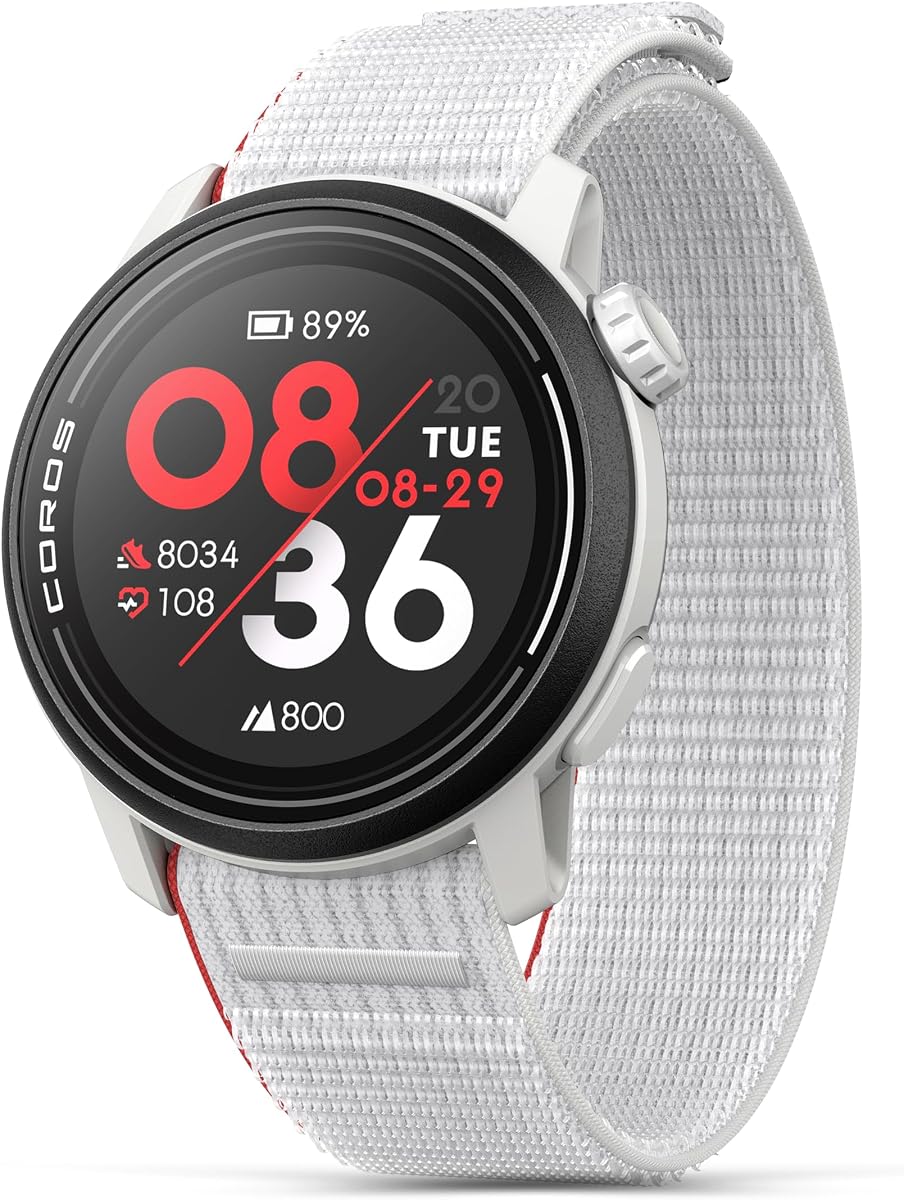
At just 30 grams, the COROS PACE 3 is arguably the lightest GPS watch available, making it virtually unnoticeable during tennis rallies while still providing high-accuracy tracking through its Dual-Frequency satellite chipset.
We may earn a commission when you buy through this link, at no additional cost to you.
The 38-hour GPS tracking capability and 24-day battery life ensure that even during long multi-day tournaments or training camps, you will never run out of power when it matters most.
The Breadcrumb navigation feature helps you stay on track during outdoor training sessions, while the extensive activity modes cover running, cycling, and swimming for comprehensive cross-training support.
This watch is ideal for serious athletes who prioritize weight and battery life above all else, offering a distraction-free interface that focuses purely on performance data without unnecessary smartwatch features.
The advanced chipset ensures precise location tracking even in environments with tall buildings or dense trees, providing reliable data for outdoor activities and accurate pace monitoring.
Easily build custom routes or search for destinations on the app and sync them to your watch, ensuring you stay on course during outdoor training without needing to pull out your phone.
We may earn a commission when you buy through this link, at no additional cost to you.
The Garmin Forerunner 165 offers a brilliant AMOLED touchscreen and daily suggested workouts that adapt based on your performance, helping tennis players optimize their cardio and endurance training with personalized guidance.
We may earn a commission when you buy through this link, at no additional cost to you.
Its lightweight 43mm design ensures comfort during all-day wear, while the built-in GPS provides accurate pace and distance tracking for outdoor warm-ups, cool-downs, or mixed sports training sessions.
Safety and tracking features like incident detection send your live location to emergency contacts during outdoor activities, offering peace of mind during solo runs or remote tennis practice.
This watch is perfect for those who want a dedicated fitness tool with adaptive training plans, though its feature set is slightly more focused on running metrics compared to the broader versatility of the vívoactive series.
Suggested workouts adapt to your recovery and performance, ensuring that your training load is optimized to improve your aerobic capacity without risking overtraining before matches.
The training effect labels show exactly how each workout impacts your fitness levels, helping you plan sessions that build the endurance and strength needed for long matches.
We may earn a commission when you buy through this link, at no additional cost to you.
Selecting the right fitness tracker for tennis involves balancing durability, battery life, and specific tracking features that align with the dynamic nature of the sport.
Tennis matches often involve intense sweating and exposure to the elements, so a tracker with at least an IP68 rating is essential to withstand sweat and accidental rain without damage.
Look for devices with reinforced coatings or scratch-resistant screens to ensure the watch survives accidental impacts with rackets or hard courts without compromising its functionality.
Long battery life is crucial for players who compete in multi-day tournaments or prefer not to charge their devices daily, ensuring you never miss tracking a crucial warm-up or match session.
Devices offering 7 to 14 days of use are ideal, but if you use GPS extensively, check the continuous GPS tracking duration to avoid running out of power mid-training.
Accurate heart rate monitoring allows you to train within specific zones, ensuring you are working hard enough during drills but not overexerting during casual play.
Choose trackers with optical sensors known for stability during rapid arm movements, as tennis involves frequent swings that can sometimes cause errors in less accurate wrist-based monitors.
While not all trackers have a specific tennis mode, look for those with general racket sports options or the ability to customize sport modes to log court time and intensity accurately.
Features like Active Zone Minutes and recovery scores help you understand the physical load of your matches, allowing you to balance on-court time with rest to prevent injury.
Built-in GPS is beneficial for players who mix tennis with outdoor running or cycling for cross-training, ensuring precise distance and pace tracking without relying on a phone.
Dual-frequency GPS options provide superior accuracy in urban environments or courts surrounded by tall buildings, ensuring reliable data even if your signal is occasionally obstructed.
A bright display with high brightness levels is essential for outdoor tennis where sunlight can wash out standard screens, making it difficult to read stats mid-match.
AMOLED displays are recommended for their vibrant colors and clarity, and always-on options help you check your time or heart rate without raising your arm excessively.
Recovery is a key component of tennis performance, so features that track sleep stages, HRV, and stress levels help you understand how well your body is preparing for the next match.
Look for trackers that provide a readiness score, which aggregates your sleep and activity data to suggest whether you should push hard or take it easy on any given day.
A comfortable strap that stays secure during vigorous movement is vital, as a loose tracker can cause discomfort or inaccurate readings during serve and volley drills.
Lightweight materials and breathable bands prevent skin irritation during long matches, ensuring that you can wear the device 24/7 without being distracted by its presence on your wrist.
To ensure accurate heart rate data during tennis sessions, make sure the tracker is worn snugly on your wrist, about an inch above the bone, so the sensor maintains consistent contact with your skin despite rapid arm movements.
After every match, rinse the tracker under fresh water to remove salt, sweat, and dirt that can corrode the device over time, and use a soft cloth to dry it thoroughly before storing it in a cool place.
Regularly update the firmware through the companion app to ensure you have the latest bug fixes and sport mode improvements, and clean the charging contacts weekly to maintain a reliable connection when recharging the battery.
Most trackers do not count individual swings but track active time and heart rate zones. Some advanced models can detect motion patterns to log tennis sessions as a sport activity for later review in your app.
No, GPS is not needed for indoor courts as you cannot get a satellite signal. However, a tracker still tracks heart rate, calories, and time, making it valuable for indoor matches and drills.
Wear the band snugly to prevent shifting and consider a silicone or sport band that wicks sweat. Ensure the clasp or buckle is secure so the device does not loosen during serves or volleys.
Most devices work fully out of the box without a subscription. However, advanced coaching, detailed sleep analysis, or extended health reports often require a paid monthly or annual plan to access.
Yes, wearing the tracker does not interfere with performance and can actually help you stay aware of your exertion. However, if it feels bulky, you may prefer a lightweight option or remove it for competitive play.
Many Garmin and Amazfit models offer battery life of up to 10 to 25 days in smartwatch mode, while premium options like WHOOP or Apple Watch may require daily or weekly charging depending on usage.
We have reviewed ten of the best fitness trackers for tennis players, highlighting options like the Garmin vívoactive 5 for its bright display and body battery metrics, and the WHOOP 5.0 for its elite-level recovery insights.
When making your choice, prioritize features that matter most to your game such as GPS accuracy, battery life, and heart rate reliability while considering your budget and whether you prefer a screen or a distraction-free tracker.
Remember that product availability and pricing can change, so be sure to check the latest offers and read recent user reviews before purchasing to ensure the device meets your current needs and expectations.