
NIMO 15.6 AI Creator Laptop
5.0Editor score
Ryzen 5 6600H
16GB DDR5 RAM
512GB SSD Storage
Finding the right laptop for Lightroom Classic requires balancing display quality, processing power, and portability. Photographers need machines that handle large RAW files smoothly while maintaining accurate color representation for professional output.
We compared ten diverse laptops ranging from ultra-lightweight portables to powerful creative workstations. Each model was evaluated based on processor speed, memory capacity, screen fidelity, and battery life to ensure they meet the demands of serious photo editing.
Each pick below highlights specific strengths and trade-offs to help you match a device to your workflow. Prices and availability change frequently so verify current details before purchasing to ensure you get the best value for your investment.
5.0Editor score
4.3Editor score
4.3Editor score
As an Amazon Associate we earn from qualifying purchases.
The following table offers a side-by-side comparison of all ten featured laptops. Review key specifications like processor type, memory size, storage capacity, and display resolution to quickly identify which model aligns with your editing requirements.




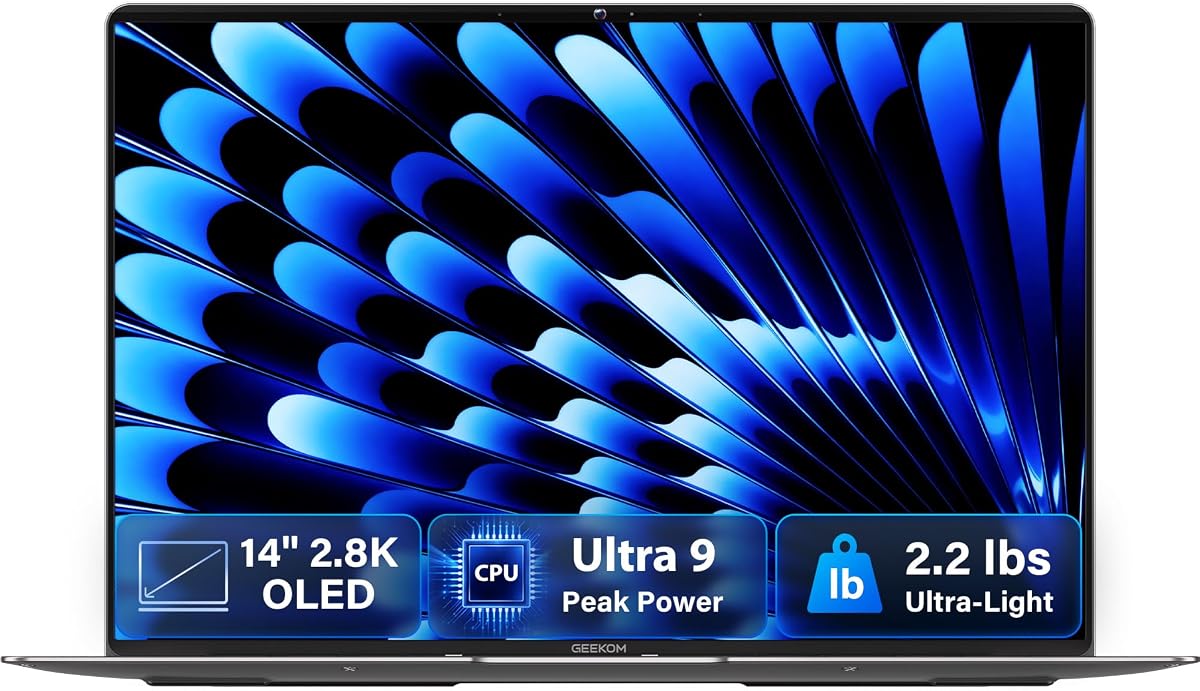
The GEEKOM GeekBook X14 Pro stands out as a top contender for photo editors seeking a balance of performance and portability. Its 2.8K OLED screen delivers vibrant colors and deep blacks essential for accurate Lightroom editing.
We may earn a commission when you buy through this link, at no additional cost to you.
Powered by the Intel Core Ultra 9 processor and 32GB of fast RAM this laptop handles large RAW files without lag. The dedicated NPU enhances AI features allowing for faster background removal and masking tasks.
While the build quality is exceptional the price reflects these high-end components. Users should expect to pay a premium for the OLED panel and aerospace grade materials used in the chassis.
Photographers who travel frequently will appreciate the lightweight design and all-day battery life. This machine is ideal for those who need professional grade color accuracy on the go.
The 100% DCI-P3 coverage ensures that colors look consistent across different devices.
Advanced cooling keeps the system quiet even during intensive photo processing tasks.
We may earn a commission when you buy through this link, at no additional cost to you.
The LG gram 17Z95P offers a rare combination of a large 17 inch display and ultra-lightweight form factor. This makes it perfect for editors who want screen real estate without the burden of a heavy workstation.
We may earn a commission when you buy through this link, at no additional cost to you.
The WQXGA resolution provides plenty of space to view images and panels simultaneously. The IPS panel ensures wide viewing angles which is helpful when sharing edits with clients in person.
However the older processor and 16GB RAM may limit performance with very large batches of images. It is better suited for moderate editing workflows rather than heavy professional production.
This laptop is recommended for users who prioritize screen size and portability over raw processing power. It handles standard Lightroom tasks well but may struggle with complex multi-layer projects.
Despite the large screen the chassis remains incredibly light for easy transport.
Includes HDMI and USB-A ports reducing the need for dongles.
We may earn a commission when you buy through this link, at no additional cost to you.
The Acer Aspire Laptop 2026 delivers exceptional value with its generous 32GB RAM and 2TB storage. This combination ensures you can keep your entire photo library local without needing external drives.
We may earn a commission when you buy through this link, at no additional cost to you.
The dedicated NPU accelerates AI tools in Lightroom such as automated masking and subject selection. This hardware support speeds up workflow significantly compared to older models.
The touchscreen adds convenience for precise retouching but may reduce battery life during long sessions. It is a nice feature if you are comfortable with direct touch interaction on a laptop screen.
This model is highly recommended for hobbyists and semi-professionals needing capacity and modern features. It balances cost and performance effectively for general Lightroom Classic usage.
Two terabytes of space mean you rarely need to offload photos.
Built-in AI hardware speeds up repetitive editing tasks efficiently.
We may earn a commission when you buy through this link, at no additional cost to you.
The NIMO 15.6 AI Creator laptop offers a budget-friendly entry point for Lightroom Classic users. Its AMD Ryzen 5 processor provides sufficient power for day-to-day photo editing tasks.
We may earn a commission when you buy through this link, at no additional cost to you.
Six cores and twelve threads ensure smooth multitasking between Lightroom and other applications. The 16GB DDR5 RAM helps prevent slowdowns when working with multiple files open.
The display is standard HD which may not show the finest details in high-resolution prints. However it is adequate for general editing and color adjustments without significant distortion.
This laptop is ideal for students or beginners who need a capable machine without a high cost. Upgrading the storage later is easy making it a flexible long-term option.
Delivers solid editing speed at a fraction of the cost of premium models.
Slots allow for future memory and storage expansions as needs grow.
We may earn a commission when you buy through this link, at no additional cost to you.
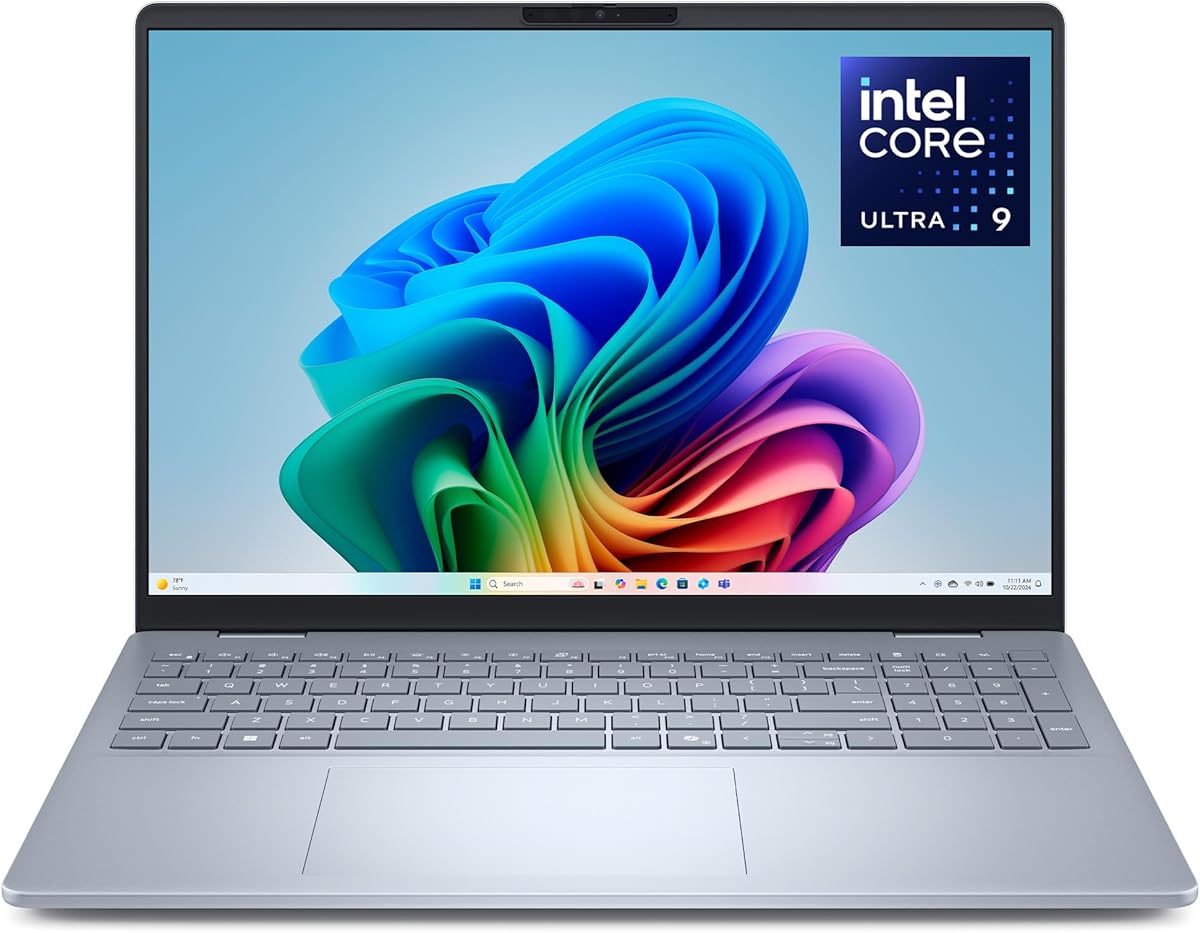
Dell 16 Plus laptop is built for professionals who need reliability and a high-quality display. The QHD+ 16:10 screen provides extra vertical space useful for viewing editing tools.
We may earn a commission when you buy through this link, at no additional cost to you.
The latest Core Ultra 9 processor ensures efficient performance and good battery life. Dell's military grade testing means this device can withstand the rigors of daily travel and use.
Price is a significant factor here as this model commands a premium for its brand and materials. However the included onsite service warranty adds value for business users needing uptime.
This laptop is best suited for serious editors who prioritize durability and screen quality. It performs well under heavy loads and offers peace of mind with strong support.
Rigorous testing ensures the laptop survives drops and rough handling.
16:10 aspect ratio gives more room for toolbars and image views.
We may earn a commission when you buy through this link, at no additional cost to you.
This version of the NIMO laptop features a powerful Ryzen 7 processor and 32GB RAM making it a strong mid-range contender. It handles complex edits and large batches of photos effectively.
We may earn a commission when you buy through this link, at no additional cost to you.
The 1TB PCIe 4.0 SSD ensures fast load times for Lightroom catalogues and image previews. This speed is crucial for maintaining a smooth workflow during intensive editing sessions.
The integrated graphics are capable of light acceleration but not dedicated GPU performance. For pure Lightroom usage this is sufficient as most heavy lifting is done by the CPU.
Users who need significant memory and storage but do not want a high-end price will appreciate this model. It is a versatile machine for both work and personal photo projects.
High core count and RAM provide desktop-like performance in a portable size.
Latest SSD technology ensures quick access to large photo libraries.
We may earn a commission when you buy through this link, at no additional cost to you.
The HP 17 Inch Laptop provides a spacious screen and robust memory that appeals to productivity-focused users. The large display allows for comfortable viewing of detailed image adjustments.
We may earn a commission when you buy through this link, at no additional cost to you.
With 32GB of RAM you can run Lightroom alongside other applications without slowdowns. This is beneficial for those who manage files while editing and communicating with clients.
The numeric keypad is a useful addition for those who input values frequently in Lightroom. It speeds up tasks like entering EXIF data or adjusting precise settings.
This model suits business users who need a reliable machine for photo editing and daily office work. While heavier it offers a desktop replacement feel with good performance capabilities.
Windows 11 Pro and security features make it suitable for professional environments.
17.3 inch screen reduces eye strain during long editing sessions.
We may earn a commission when you buy through this link, at no additional cost to you.
The HP 17 Laptop comes with accessories like a mouse and tablet stand that enhance usability. These extras save money and ensure you have the essentials for a good editing setup.
We may earn a commission when you buy through this link, at no additional cost to you.
The processor is fast enough for most photo editing tasks providing responsive performance. DDR5 memory offers better efficiency than older DDR4 types even with limited capacity.
Eight gigabytes of RAM is the minimum for Lightroom so you may face limitations with heavy multitasking. If you plan to keep this laptop long term an upgrade might be necessary.
This package is ideal for those who want a ready-to-use solution with added peripherals. It covers basic editing needs well and offers good value through the included accessories.
Accessories included mean you can start editing right out of the box.
WiFi 6 ensures stable internet for cloud uploads and downloads.
We may earn a commission when you buy through this link, at no additional cost to you.
This laptop offers a very low entry price making it accessible for those with tight budgets. It includes Windows 11 Pro and Office 365 which adds value for general productivity tasks.
We may earn a commission when you buy through this link, at no additional cost to you.
However the Pentium processor is weak for demanding photo editing work. It may struggle with large RAW files or complex adjustments so expect some slowness during use.
Storage is limited to 256GB which fills up quickly with photos and applications. Using cloud storage or external drives will be necessary to manage your workflow effectively.
This model is only recommended for casual users who edit occasionally or on very small budgets. For serious Lightroom work a more powerful machine is highly advisable.
Included Office suite provides productivity tools alongside editing capabilities.
Lightweight chassis makes it easy to carry between locations daily.
We may earn a commission when you buy through this link, at no additional cost to you.
The BLUEING 2026 laptop is a compact option designed for basic tasks and light editing. Its 14 inch form factor makes it easy to carry and use in tight spaces.
We may earn a commission when you buy through this link, at no additional cost to you.
The processor is entry-level and may not handle complex edits smoothly. Users should expect to work with smaller files or simplify their workflow to avoid lag.
Storage can be expanded with a TF card which is a unique and useful feature. This allows you to increase capacity cheaply without opening the laptop chassis.
This laptop is suitable for students or casual users who need a portable device. It is not recommended for professional Lightroom work requiring high performance or speed.
Physical camera slider gives you control over your privacy easily.
180 degree hinge allows for flat sharing of content on a desk.
We may earn a commission when you buy through this link, at no additional cost to you.
Selecting the right laptop for Lightroom Classic involves understanding the specific demands of photo editing software. We have broken down the critical factors to help you make an informed decision.
The processor is the engine of your laptop and determines how quickly Lightroom can apply edits. For modern workflows an Intel Core i5/i7 or AMD Ryzen 5/7 with at least four cores is recommended to ensure smooth performance.
Prioritize newer generations of processors as they offer better efficiency and AI capabilities which Lightroom increasingly utilizes for automated tasks.
Lightroom relies heavily on RAM to handle multiple images and background processes. 16GB is the recommended minimum for comfortable editing while 32GB provides headroom for heavy multitasking.
If you work with large RAW files or keep many browser tabs open alongside Lightroom invest in higher memory to prevent slowdowns.
Accurate color representation is vital for photo editing so look for screens with high sRGB or DCI-P3 coverage. IPS panels offer better viewing angles and color consistency than older TN panels.
Resolution also matters for detail work as a sharper screen helps you see fine textures and noise in your images more clearly.
Solid State Drives (SSDs) are essential for fast boot times and quick file access. PCIe NVMe SSDs provide the fastest performance compared to older SATA models.
Large storage is necessary because photo libraries can grow quickly. Ensure your laptop has at least 512GB or offers upgrade options to accommodate your growing collection.
If you edit on the go battery life is a critical factor. Look for models that claim at least eight hours of use under normal conditions.
Keep in mind that running photo editing software will drain the battery faster than simple web browsing so realistic expectations are important.
Connectivity options allow you to attach external monitors and card readers. Ensure the laptop has USB-A and USB-C ports as well as HDMI for versatile setups.
Wi-Fi 6 support ensures faster uploads and downloads of photos to cloud storage which is important for modern workflows.
A sturdy chassis protects your investment during travel and use. Metal builds generally offer better durability than plastic alternatives.
Consider the weight and thickness if you plan to carry the laptop daily as lighter models reduce physical strain during commuting.
Lightroom Classic runs on both Windows and macOS but Windows offers broader hardware choices at different price points. Ensure the version of Windows is compatible with the latest Lightroom updates.
Newer operating systems like Windows 11 provide better security features that are useful for protecting your digital assets.
To get the best performance from your laptop keep your software updated. Adobe frequently releases patches that optimize Lightroom for new hardware and fix bugs that might cause crashes.
Manage your storage regularly by archiving old photos to an external drive. This keeps your primary SSD free for active projects and maintains fast system responsiveness.
Protect your display by cleaning it with a microfiber cloth to avoid scratches. Additionally use a privacy screen if you edit in public places to keep your work confidential.
Lightroom Classic can run without a dedicated graphics card but having one improves performance for specific tasks. Modern laptops often have capable integrated graphics that are sufficient for most editing needs.
Sixteen gigabytes of RAM is the standard recommendation for smooth performance. Thirty-two gigabytes is preferred if you work with very large files or run other applications simultaneously.
Yes many laptops support connecting to a tablet via USB-C to function as a secondary display. This can be helpful for keeping panels open while viewing your main image on the larger screen.
Touch screens are not strictly necessary but they can speed up navigation and masking tools. Consider if you prefer using your finger to zoom and pan rather than relying on a mouse.
Fourteen inches is a good balance of portability and screen real estate. Larger screens like sixteen or seventeen inches offer more space but make the laptop heavier to carry.
A high refresh rate helps with smooth scrolling and animations in Lightroom but is not critical for color accuracy. Focus more on color gamut and resolution than refresh rate.
Upgradeable RAM is beneficial for extending the laptop's lifespan as software demands grow. If your budget allows choose a model with slots for future expansion.
Onsite service warranties are valuable for professionals who rely on their equipment. They reduce downtime by allowing technicians to repair the laptop at your location.
Choosing the right laptop for Lightroom Classic depends on balancing your specific workflow needs with your budget. The GEEKOM GeekBook X14 Pro offers a premium all-rounder while the NIMO and Acer models provide excellent value for different user groups.
Prioritize screen accuracy and processing power if you edit regularly as these factors have the most direct impact on your work. Do not overlook storage needs since large libraries require significant space to operate efficiently.
Prices and inventory change rapidly so check current availability before making a final decision. Ensure that your chosen model meets the system requirements for the latest version of Lightroom to avoid compatibility issues.