
Dissolved Oxygen Meter with ATC
4.3Editor score
Extended measurement range
Automatic temperature compensation
Complete calibration kit
This guide compares the top ten dissolved oxygen sensors for water quality monitoring, aquaculture, and environmental testing to help you choose the right
Selecting the right dissolved oxygen sensor is crucial for maintaining healthy aquatic environments and ensuring accurate water quality measurements. Whether you are managing an aquaculture facility or conducting environmental research, precise oxygen levels are vital for life.
We evaluated ten leading models based on accuracy, ease of use, durability, and compatibility with various monitoring systems. Our analysis covers galvanic, optical, and polarographic technologies to provide a comprehensive overview for every budget and application.
Each product entry highlights key specifications, pros, cons, and ideal use cases to guide your decision-making process. Please note that pricing and availability may fluctuate, so verify current details before making a purchase decision.
4.3Editor score
4.4Editor score

4.8Editor score
The following table provides a side-by-side comparison of the ten selected dissolved oxygen sensors, highlighting their core specifications to help you quickly identify the model that best fits your specific monitoring needs.



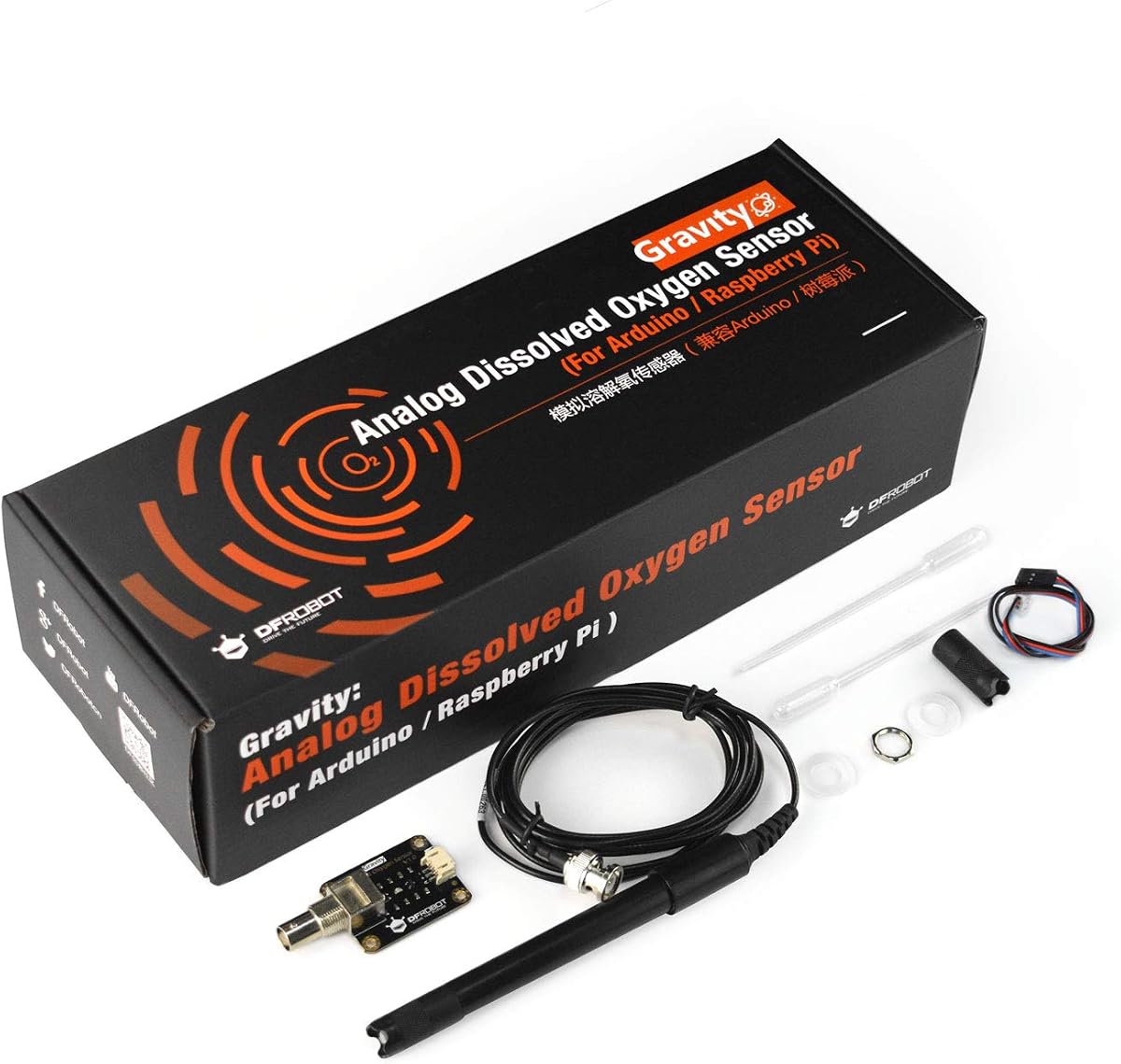
The Gravity Analog Dissolved Oxygen Sensor Kit stands out as a top choice for developers and hobbyists building IoT water quality systems. With a strong rating of 4.4 stars, this kit offers a galvanic probe that eliminates the need for pre-heating or polarization, allowing for instant measurements whenever needed.
We may earn a commission when you buy through this link, at no additional cost to you.
Its hardware filtering ensures a smooth analog voltage output, reducing the need for complex software processing. The kit includes comprehensive documentation and open-source code that supports fast calibration and temperature compensation, making it highly accessible for users integrating with Arduino, ESP32, or Raspberry Pi platforms.
While the long-term maintenance costs are lower due to replaceable consumables like the membrane cap and filling solution, users should note that the required 0.5 mol/L NaOH filling solution is not included in the package. This is a minor inconvenience that can be easily managed by purchasing locally or following the provided preparation instructions.
This sensor is ideally suited for intermittent power supplies and low-power IoT projects where rapid deployment is key. If you need a reliable, easy-to-integrate dissolved oxygen solution for hydroponics or aquaculture research, this kit offers excellent value and performance.
The galvanic probe design allows the sensor to stay available at any time, making it perfect for systems that wake up to take measurements periodically.
With replaceable caps and solutions, you avoid discarding the entire probe, significantly reducing long-term operational costs for continuous monitoring applications.
We may earn a commission when you buy through this link, at no additional cost to you.
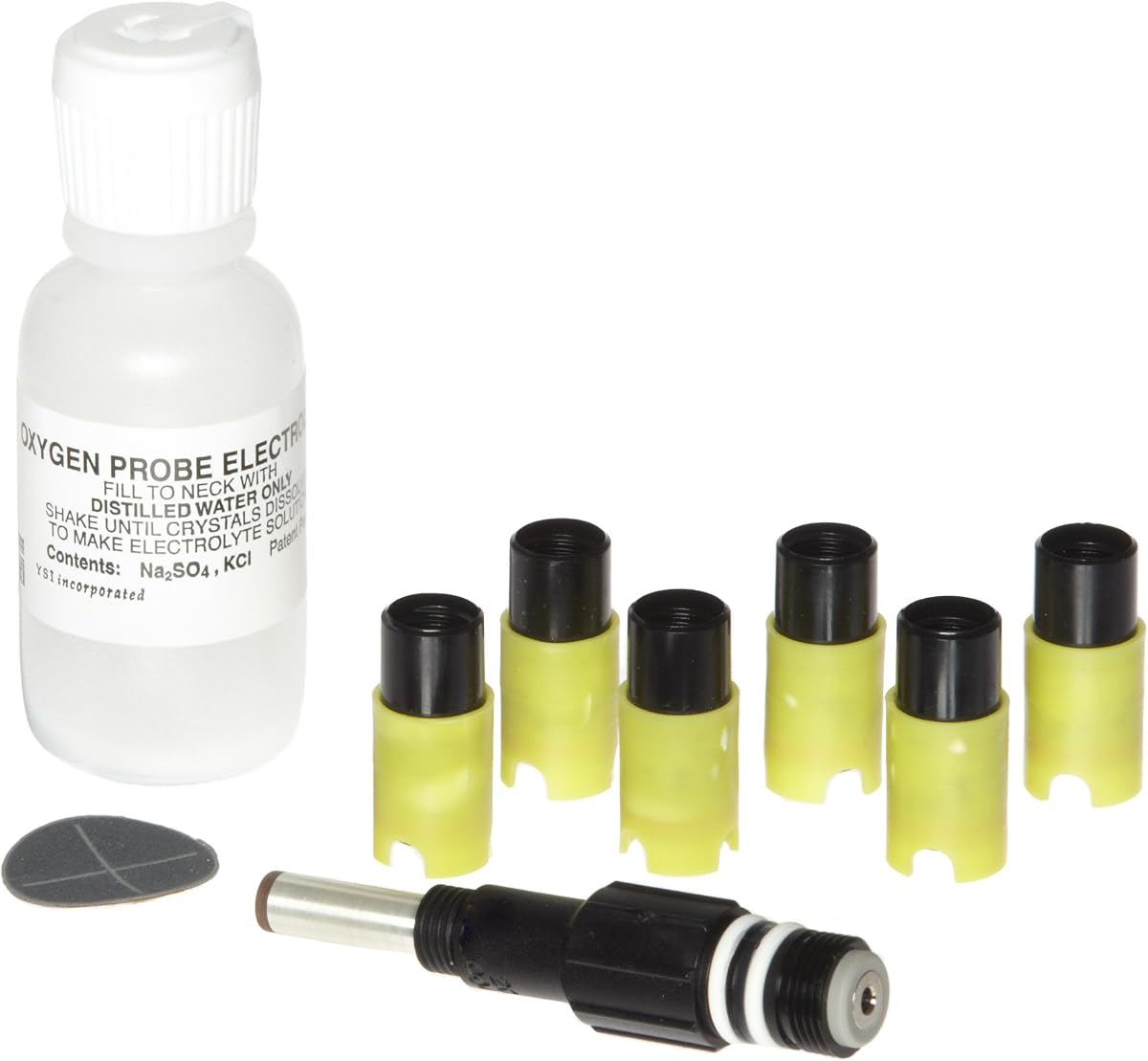
The YSI-605202 Pro Series Galvanic Dissolved Oxygen Sensor is a high-performance tool designed for professional environments where accuracy and speed are paramount. Boasting an impressive 4.8-star rating, this sensor is engineered for easy replacement and simple maintenance without requiring any specialized tools.
We may earn a commission when you buy through this link, at no additional cost to you.
Its convenient screw-on cap membranes make changing consumables straightforward, ensuring that your monitoring setup remains operational with minimal downtime. The package includes six membrane caps and a bottle of solution, providing ample supplies to get started immediately upon purchase.
While the ease of use is a significant advantage, it is important to note that this sensor is designed to work with compatible YSI meters, which may require an additional investment if you do not already own one. However, the seamless integration and reliable performance often justify the cost for serious users.
This sensor is best suited for laboratories, industrial settings, or field research where robust, galvanic technology is preferred. If you need a durable and straightforward solution for dissolved oxygen monitoring that prioritizes user convenience, this YSI sensor is an excellent choice.
The design eliminates the need for tools during membrane changes, allowing technicians to perform quick replacements even in remote field locations.
With a 4.8-star user rating, this sensor has a proven track record of accuracy and durability in demanding professional environments.
We may earn a commission when you buy through this link, at no additional cost to you.
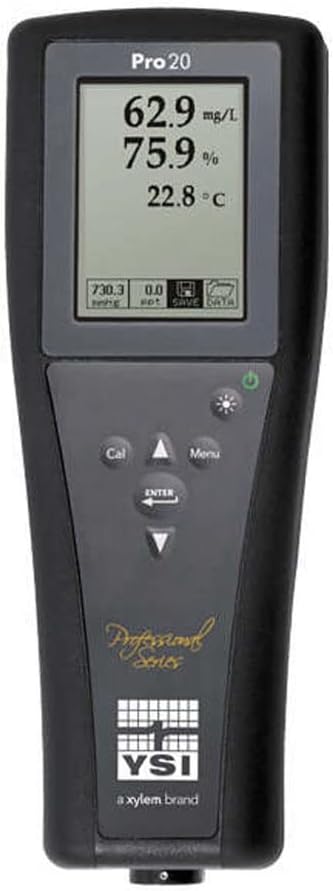
The YSI 6050020 Pro20 Handheld Dissolved Oxygen Meter offers a robust solution for field professionals who need quick and reliable measurements. With a solid 4.4-star rating, this handheld device features a One Touch Cal function that allows for easy calibration within just three seconds with a simple button press.
We may earn a commission when you buy through this link, at no additional cost to you.
It automatically compensates for barometric pressure, ensuring accurate readings regardless of altitude or weather conditions. The device can store up to 50 data sets, eliminating the need to manually write down results, and its graphic backlit display with a glow-in-the-dark keypad enhances usability in low-light environments.
However, potential buyers should be aware that this product is sold as the meter only, meaning the dissolved oxygen sensor is not included in the package. This separation allows for flexibility in choosing the right sensor type but adds to the initial setup cost if you are starting from scratch.
For users already invested in the YSI ecosystem or needing a dedicated, high-speed calibration handheld unit, this meter is a strong candidate. Its ease of use and data management features make it a valuable tool for routine water quality testing in diverse outdoor settings.
The One Touch Cal feature reduces downtime significantly, allowing technicians to focus more on actual field measurements rather than setup.
Storing 50 data sets internally ensures that valuable measurement logs are not lost, even if you forget your notebook in the field.
We may earn a commission when you buy through this link, at no additional cost to you.
The YSI 6900 ProDSS ODO Optical Dissolved Oxygen Sensor represents a significant advancement in water quality monitoring technology. As a professional-grade optical sensor designed specifically for the ProDSS platform, it offers high precision and reliability for comprehensive multi-parameter analysis.
We may earn a commission when you buy through this link, at no additional cost to you.
Optical sensors generally require less maintenance than galvanic or polarographic models because they do not rely on consumable membranes that need frequent replacement. This feature significantly reduces operational downtime and long-term consumable costs for users managing multiple monitoring stations.
While the sensor performs exceptionally well, it is sold as an individual unit and requires a compatible YSI ProDSS meter to function. This investment is substantial, but for professional research or industrial monitoring setups where data integrity is non-negotiable, the performance justifies the expense.
This sensor is best suited for advanced users and institutions that already utilize or plan to utilize the YSI ProDSS ecosystem. If you need a high-precision optical sensor that integrates seamlessly with a robust multi-parameter data logger, this is an industry-leading option.
Optical sensing provides stable readings without the need for electrolyte refills or membrane replacements, ensuring consistent performance over time.
Designed for the ProDSS system, this sensor allows for simultaneous monitoring of dissolved oxygen alongside other critical water quality parameters.
We may earn a commission when you buy through this link, at no additional cost to you.
The Dissolved Oxygen Meter with ATC offers a practical and affordable solution for users who need reliable oxygen monitoring without breaking the bank. With a 4.3-star rating, this device distinguishes itself with an extended measurement range of 0.0 to 40.0 mg/L, which is broader than many standard meters.
We may earn a commission when you buy through this link, at no additional cost to you.
Its automatic temperature compensation ensures precise results across a wide temperature range, adapting to changing conditions without manual adjustments. The kit includes electrode filling fluid and anaerobic water calibration powder, making it ready for use right out of the box for various applications.
While the lack of a backlight might make readings difficult in dimly lit environments like deep water tanks, the clear digital LCD screen is sufficient for most daytime or well-lit scenarios. The package also includes multiple probe covers, adding to its convenience and overall value proposition.
This meter is ideal for aquarium enthusiasts, pond owners, and small-scale aquaculture operators who need a straightforward tool for routine checks. If you prioritize range and complete accessory inclusion over advanced features like backlighting, this budget-friendly meter delivers excellent value.
With a 0 to 40 mg/L range, this meter handles a wider variety of water conditions than standard meters, making it versatile for different environments.
Including filling fluid and calibration powder ensures you have everything needed to start testing immediately without additional purchases.
We may earn a commission when you buy through this link, at no additional cost to you.
The Dissolved Oxygen Meter for Pond is designed with aquaculture and hydroponic users in mind, offering a digital test kit that simplifies oxygen level checks. It provides measurement units in both mg/L and percentage saturation, catering to diverse user preferences and monitoring requirements.
We may earn a commission when you buy through this link, at no additional cost to you.
Its 3.6-foot electrode cable allows for easier measurement in larger tanks or ponds where reaching the water surface is necessary. The backlit display ensures that readings can be taken even in low-light conditions, which is particularly useful for early morning or evening checks.
However, this model has received mixed reviews regarding long-term reliability, with some users noting the need for frequent calibration to maintain accuracy. The included calibration solutions and electrolytes help mitigate this, but users should be prepared to calibrate the device more often than premium models.
For hobbyists managing hydroponic nutrient solutions or small fish ponds, this meter provides the necessary tools to monitor dissolved oxygen levels effectively. If you need an affordable device with a longer cable and backlighting, this option serves well despite its need for regular maintenance.
The 3.6-foot cable ensures you can reach deep into tanks or ponds without needing to strain, making measurements safer and more convenient.
Specifically mentioned as suitable for hydroponic systems, this meter helps ensure plant roots receive adequate oxygen in water-based growing setups.
We may earn a commission when you buy through this link, at no additional cost to you.
The Dissolved Oxygen Meter with 11.48 ft Cable is engineered for comprehensive water quality analysis in large or complex aquatic environments. Featuring an 11.48-foot cable, it allows users to measure oxygen levels at various depths without having to move the main unit, which is crucial for large aquariums.
We may earn a commission when you buy through this link, at no additional cost to you.
It supports multiple parameters including dissolved oxygen, temperature, salinity, and barometric pressure, making it a versatile tool for environmental monitoring. The device also includes a 99-data memory function and an IRDA port for transferring data to a computer, aiding in detailed record-keeping and analysis.
While its extensive features are beneficial, the complexity of calibrating for salinity and pressure can be a hurdle for casual users. Additionally, the unit is heavier than basic handhelds, which may affect portability during extended field trips or casual home use.
This meter is best suited for researchers, educators, or large-scale aquaculture facilities that require detailed multi-parameter data. If you need a device that combines depth capability with robust data storage and transfer options, this meter is a reliable choice.
The IRDA port allows for easy data transfer to a PC, enabling detailed analysis and report generation for academic or commercial purposes.
Measuring salinity and pressure alongside oxygen provides a holistic view of water conditions, essential for accurate aquatic health assessment.
We may earn a commission when you buy through this link, at no additional cost to you.
The Milwaukee MW600 LED Economy Portable Dissolved Oxygen Meter is a dependable tool designed for educational settings and basic water analysis applications. With a 4.2-star rating, it offers a user-friendly interface and a clear LED display that makes reading oxygen levels straightforward for students and professionals alike.
We may earn a commission when you buy through this link, at no additional cost to you.
It features a 2-point manual calibration system and automatic temperature compensation, ensuring accurate readings across various conditions. The polarographic probe with a 3-meter cable provides reliable performance for testing in tanks or pools, and the included carrying case protects the unit during transport.
While the manual calibration requires more time than auto-calibration models, it allows for precise control over the setup process. The meter does not include advanced data storage or transfer features, which keeps the price lower but limits its utility for complex data logging tasks.
This meter is ideal for schools, aquarium hobbyists, and environmental agencies that need a sturdy, no-frills solution for routine checks. If you value simplicity and durability over digital connectivity, the Milwaukee MW600 offers excellent performance for its price class.
With a 0.1 mg/L resolution, this meter provides detailed readings that help users detect small changes in oxygen levels effectively.
The portable build and included carrying case make this meter suitable for field trips and transport to different testing sites.
We may earn a commission when you buy through this link, at no additional cost to you.
The Apera Instruments AI480 DO850 Optical Dissolved Oxygen Meter Kit offers a premium experience for professionals seeking minimal maintenance and high reliability. With a top-tier 4.8-star rating, this kit features state-of-the-art optical sensor technology that eliminates the need for solution refills or frequent membrane changes.
We may earn a commission when you buy through this link, at no additional cost to you.
Its IP67 waterproof and dust-proof structure ensures durability in harsh environments, making it suitable for field deployment and industrial settings. The kit comes with a complete meter, a 10-foot optical probe, calibration cap, and a rugged carrying case, providing everything needed for immediate, hassle-free testing.
While the initial investment is higher than standard models, the reduced maintenance requirements save time and money over the long run. The optical sensor is less prone to drift, ensuring consistent performance without the frequent recalibration that some polarographic sensors require.
This kit is ideal for environmental monitoring, wastewater treatment, and aquaculture where robustness and accuracy are non-negotiable. If you are looking for a high-end, low-maintenance solution that provides reliable optical measurement, this Apera kit is an outstanding choice.
The optical technology means you never have to change membranes or refill electrolytes, freeing up valuable time for actual data collection.
With an IP67 rating, the meter can withstand accidental submersion and dust, making it reliable for rugged outdoor or industrial applications.
We may earn a commission when you buy through this link, at no additional cost to you.
The YSI-605203 Pro Series Polarographic Dissolved Oxygen Sensor is a classic choice for laboratory and field professionals who trust the YSI brand for accuracy. With a strong 4.6-star rating, this polarographic sensor delivers stable and repeatable readings for critical water quality applications.
We may earn a commission when you buy through this link, at no additional cost to you.
As part of the Pro Series, it is built to professional standards, ensuring it meets the rigorous demands of analytical labs and environmental testing facilities. The sensor is designed to integrate with YSI handheld and portable meters, offering a cohesive solution for precise oxygen monitoring.
Users should note that this is the sensor unit only, meaning you must have a compatible YSI meter to use it. While polarographic sensors typically require regular maintenance such as membrane and electrolyte changes, they remain a reliable standard for many professional protocols.
This sensor is best suited for established laboratories or users who already operate within the YSI ecosystem. If you need a trusted polarographic sensor that aligns with standard laboratory procedures, this Pro Series model delivers consistent performance.
The Pro Series designation ensures that the sensor meets high-quality standards expected in professional and academic research environments.
Designed as a lab supply, this sensor fits into existing standard operating procedures that rely on polarographic measurement technology.
We may earn a commission when you buy through this link, at no additional cost to you.
Choosing the right dissolved oxygen sensor depends on your specific application, budget, and technical requirements. This guide outlines the key factors to consider to help you make an informed decision.
The two main technologies are galvanic/polarographic and optical. Galvanic sensors use an electrolyte solution and membrane, requiring regular maintenance, whereas optical sensors use luminescence and typically need less maintenance. Optical sensors are often preferred for their stability, while polarographic sensors may be more cost-effective initially.
Select a sensor type that matches your maintenance willingness and accuracy needs for long-term monitoring.
Different applications require different measurement ranges. Standard sensors often cover 0 to 20 mg/L, but some models extend to 40 mg/L or higher for industrial or specific research needs. Ensure the sensor covers the expected oxygen levels in your environment.
Choose a range that comfortably exceeds your maximum expected readings to ensure accurate measurements at all levels.
Calibration methods vary from manual to automatic. Some handheld meters feature One Touch Cal or auto-calibration, which saves time and reduces human error. Others require manual two-point calibration using air or zero-oxygen solutions. Consider the ease of use based on your technical expertise.
Prioritize automatic or easy manual calibration options to ensure consistent accuracy without complex setup procedures.
Temperature significantly affects dissolved oxygen levels, so accurate sensors include automatic temperature compensation (ATC). This feature adjusts the reading based on water temperature to provide precise results. Always check that the device supports ATC for your temperature range.
Always choose a meter with automatic temperature compensation to ensure accurate readings regardless of environmental changes.
If you need to track trends over time, look for meters with internal data storage. Some models offer 50 to 99 slots, while others include USB or IRDA ports for data transfer to computers. This is crucial for regulatory reporting or detailed research.
For professional or research use, ensure the meter has sufficient memory or data transfer capabilities to support your analysis.
Field use demands durable construction. Look for devices with high IP ratings like IP67, which protect against dust and immersion. A rugged carrying case is also a valuable addition for transporting the device safely. This ensures longevity in challenging environments.
Choose a device with high waterproof ratings and protective accessories if you will be using it outdoors or in industrial settings.
For deep tanks or ponds, a longer cable is essential to reach the water surface without moving the meter. Options range from standard 3-meter cables to extended 10-foot leads. This factor affects convenience and safety during testing.
Verify the cable length matches the depth of your testing environment to avoid the need for additional extensions.
Some kits come with everything needed including calibration fluids, extra membranes, and carrying cases. Others may require separate purchases for accessories. Completing the kit upfront can save time and ensure you can start testing immediately.
Look for kits that include necessary accessories to ensure you are fully prepared for testing upon receipt.
To ensure accurate measurements, always calibrate your sensor before use according to the manufacturer's instructions. This typically involves placing the probe in saturated air or zero-oxygen solution and allowing the device to adjust. Proper calibration is the foundation of reliable data collection.
During operation, gently stir the probe in the sample to ensure uniform oxygen exposure. Avoid touching the membrane with your fingers or rough surfaces to prevent damage. The sensor should remain in the water for the recommended stabilization time before recording the reading.
After use, rinse the probe with distilled water and store it in the recommended storage solution if provided. Regularly inspect the membrane for tears or discoloration and replace it as needed. Proper maintenance extends the life of your sensor and ensures consistent performance.
Dissolved oxygen is critical for fish survival and health. Low oxygen levels can stress fish, reduce growth rates, and even lead to mass mortality. Continuous monitoring ensures that oxygen remains above the necessary threshold for the specific species being farmed.
Calibration frequency depends on usage and the sensor type. For handheld meters, calibrating every 24 hours is standard for high accuracy. For continuous monitoring sensors, calibration might be needed weekly or monthly depending on manufacturer guidelines and environmental conditions.
Galvanic sensors use a chemical reaction requiring electrolyte and membranes, which wear out over time. Optical sensors use light to measure oxygen and generally require less maintenance. Optical sensors are often more stable but can be more expensive initially.
Most DO sensors can measure oxygen in saltwater, but salinity compensation is necessary for accurate results. Check if your specific meter allows for manual salinity input or automatic compensation to ensure your readings are corrected for salt content.
A torn membrane can lead to inaccurate readings and potential sensor damage. It is essential to replace the membrane immediately upon noticing a tear. Always keep spare membranes on hand to minimize downtime during critical monitoring periods.
Yes, calibration typically requires a saturated air environment or a zero-oxygen solution. Some kits include calibration powder to create the solution, while others may require purchasing separate bottles. Always follow the kit instructions to prepare the correct calibration environment.
The right dissolved oxygen sensor depends on your specific needs, whether you are monitoring a home aquarium or conducting large-scale environmental research. We highlighted top picks ranging from budget-friendly options like the Dissolved Oxygen Meter with ATC to premium kits like the Apera Instruments AI480 DO850.
When choosing, prioritize factors such as sensor type, calibration ease, and durability for your environment. Consider the long-term maintenance costs, especially if you are using galvanic sensors versus optical ones, as this impacts both budget and convenience.
Please remember that prices and availability change regularly. Always check current product details and prices before purchasing to ensure you are getting the best value for your investment.